News lessonNovember 2026
Were People Getting High 2,800 Years Ago?
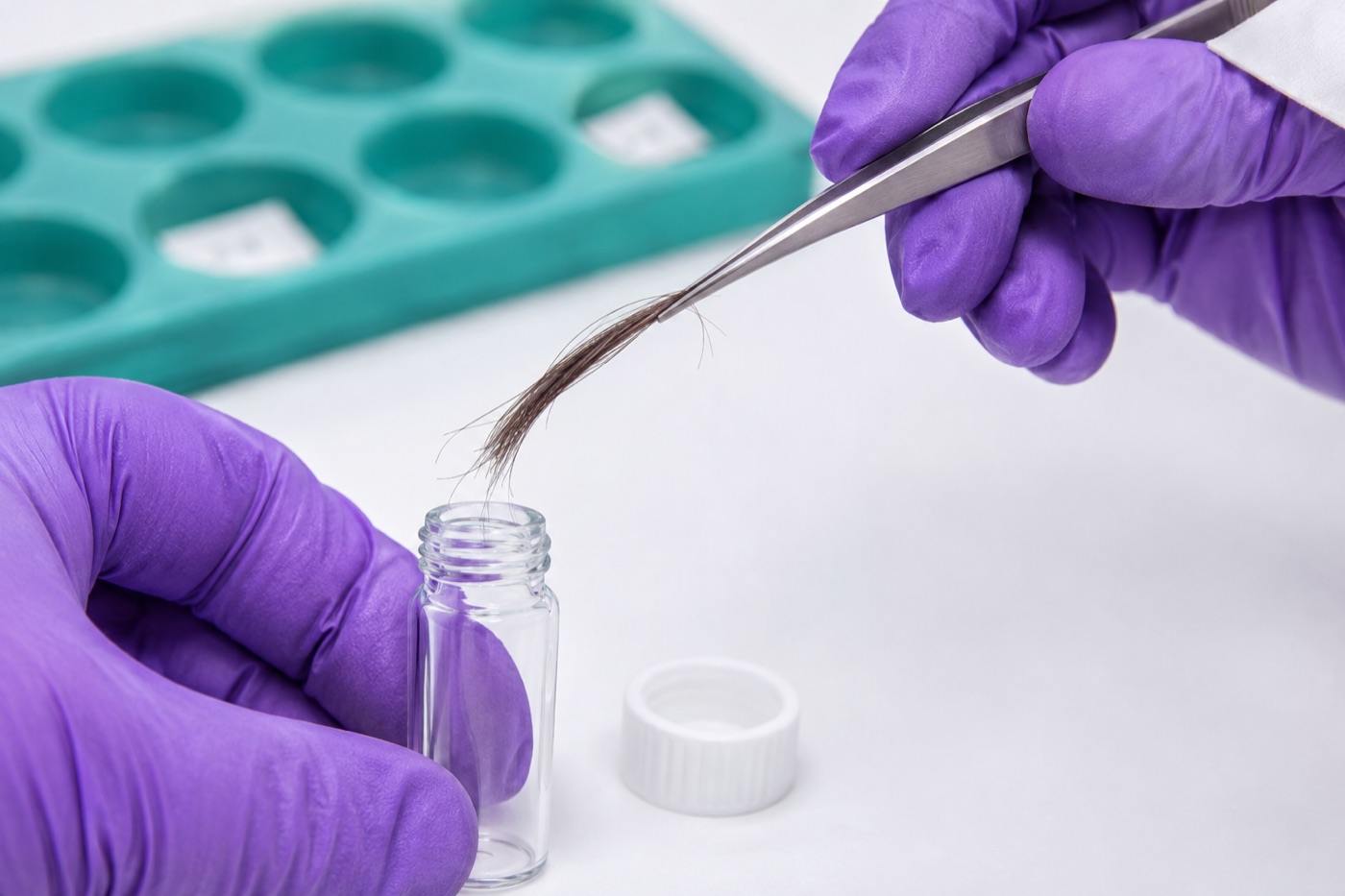
Cannabis seeds and chemical traces in preserved hair from a Siberian tomb suggest that some Scythians were exposed to its intoxicating compounds about 2,800 years ago. The evidence is strong, but it leaves many questions open.
Before you read
1Warm up3 questions
Talk about these questions with a partner.
- What can people make from a plant, besides food?
- Do you think hair can tell scientists things about a person?
- How can scientists learn about people who lived thousands of years ago?
2Key words8 words
These words are in the article. Choose the letter of the meaning for each one.
- archaeologists
- ancient
- intoxicating
- substance
- exposed
- burial
- curious
- complicated
- Ain contact with something, with no protection
- Bvery, very old
- Ca type of material, for example a powder or a liquid
- Dmaking a person feel strange, like drink or drugs can
- Escientists who study the past by digging up old things
- Fwanting to learn and find out about things
- Gto do with putting a dead person in the ground
- Hnot simple, with many parts
1Warm up3 questions
Talk about these questions with a partner.
- Do you think ancient people were more or less curious about plants than we are today?
- What kinds of evidence do you think archaeologists trust most?
- Have you ever been surprised by something you learned about history?
2Key words8 words
These words are in the article. Choose the letter of the meaning for each one.
- compounds
- traces
- ceremonies
- intoxicated
- ancestors
- princely
- burial
- ordinary
- Aconnected to a prince, or very rich and grand
- Bvery small signs that something was there
- Caffected by a drug or alcohol
- Dto do with putting a dead person in a grave
- Epeople in your family who lived long ago
- Fspecial events with fixed actions, such as weddings
- Gnormal, not special
- Hchemicals made of two or more parts joined together
1Warm up3 questions
Talk about these questions with a partner.
- How can historians tell the difference between a fact and an interesting possibility?
- What are the risks of judging the habits of the past by the values of today?
- When a discovery fits an old story, how careful should we be about believing it?
2Key words8 words
These words are in the article. Choose the letter of the meaning for each one.
- provoke
- steppe
- affiliated
- psychoactive
- ceremonial
- principal
- concentration
- symbolic
- Ato cause a strong reaction or argument
- Bthe amount of a substance in a mixture
- Caffecting the mind or mood
- Da huge area of flat grassland with few trees
- Estanding for an idea rather than being practical
- Fmain, most important
- Gofficially connected with an organisation
- Hconnected with formal rituals or special occasions
Read
3Read the article
The paragraphs are numbered. Look out for the key words from task 2.
Core version
When we think about cannabis, we often imagine a modern argument about health, laws and personal choice. But the plant has a much longer history. Archaeologists studying an ancient tomb in Siberia have found evidence that people may have used cannabis for its mind-changing effects about 2,800 years ago. What makes the discovery special is that scientists found more than old stories or drawings. They found chemical evidence in human hair.
The research was published in the journal Science on 5 November 2026. The tomb belonged to members of the Scythian culture, whose people lived across parts of Central Asia and were known for horse riding. The researchers discovered cannabis seeds and analysed preserved hair from the burial site. The hair contained a substance called cannabinol, which can form when THC, the main intoxicating chemical in cannabis, breaks down.
That matters. Seeds alone might show that people had cannabis, but they would not prove why. The plant can also be used for making rope, cloth or oil. Chemical traces in human hair give scientists stronger evidence that people were exposed to its active compounds. Researchers therefore believe cannabis may have been used for its intoxicating effects. They still cannot say exactly how people took it.
Why might the ancient Scythians have used it? We do not know for certain. The tomb was an important burial place, so the plant may have played a part in special ceremonies. Some ancient writers described the Scythians using smoke from plants, but written accounts can be difficult to check. Modern scientific tests offer new clues that can support or challenge old ideas about the past.
The discovery does not tell us how strong ancient cannabis was or how often people used it. It also does not mean every person in that society took drugs. Scientists must explain the evidence carefully. The hair and seeds are real, but many details about the people's lives remain a mystery.
The story reminds us that humans have used plants for many reasons for thousands of years. Some plants were food, some were medicine and others were part of ceremonies. The same plant could have several purposes. Finding out about these habits helps us see ancient people as curious and complicated, much like people today. Does learning about the long history of a drug change how we think about it now?
Intermediate version
Cannabis is often discussed as if it were a modern issue, connected to changing laws, medical uses and arguments about personal freedom. Yet people have known about the plant for thousands of years, using it for fibre, oil and other purposes. A discovery in southern Siberia now provides unusually direct evidence that some ancient people were also exposed to its mind-altering compounds. The clue was not a written record but traces of chemicals preserved in human hair.
The study, published in the journal Science on 5 November 2026, examined a princely tomb associated with the Scythians, a horse-riding culture of the Eurasian steppe. Researchers led by archaeologist Gino Caspari of the University of Bern and the Max Planck Institute analysed cannabis seeds recovered from the tomb and hair belonging to people buried there. The evidence dates back roughly 2,800 years, to the early eighth century BC.
The hair contained cannabinol, a substance that can form when THC, cannabis's main intoxicating compound, breaks down. This matters because finding cannabis seeds by themselves would not establish that anybody used the plant to become intoxicated. Cannabis also has practical uses, including producing textiles and oil. Chemical traces in human tissue offer stronger evidence of exposure to compounds associated with its psychoactive properties. The scientists describe the discovery as the oldest directly dated evidence of this kind.
The burial context raises fascinating questions. Did cannabis play a part in ceremonies connected to death, or was it something people used in everyday life? Ancient writers, including the Greek historian Herodotus, described Scythian practices involving plant smoke, but such accounts were written long after some of the events they described. The new evidence gives researchers something physical to investigate, though it does not reveal exactly how the plant was prepared or consumed.
There are important limits to what can be concluded. The researchers cannot determine the THC strength of the original plants from these traces, and the evidence does not show that cannabis was common throughout Scythian society. Nor does its ancient use tell us whether present-day cannabis is safe or how modern laws should work. Historical evidence can explain what people did without settling what people ought to do now.
Nevertheless, the discovery is a good example of how science can change our understanding of history. A few preserved hairs can provide information that ancient writers never recorded. It also challenges the idea that our ancestors were somehow less curious about plants and their effects on the body. The plant we argue about today had several roles long before modern states existed. Does finding out that people used cannabis thousands of years ago make it seem more ordinary, or does it raise even more questions?
Advanced version
Few plants provoke as much contemporary debate as cannabis. Depending on whom you ask, it is a medicine, a recreational drug, a commercial opportunity or a public health concern. Yet its place in human history extends far beyond modern legal arguments. An archaeological discovery in southern Siberia has provided unusually strong physical evidence that people were exposed to cannabis's intoxicating compounds approximately 2,800 years ago, offering a glimpse into a practice that previously rested largely on interpretation and historical accounts.
Reported in the journal Science on 5 November 2026, the research focused on a princely tomb associated with the Scythians, a horse-riding culture whose influence spread across the Eurasian steppe. An international team led by Gino Caspari, affiliated with the University of Bern and the Max Planck Institute of Geoanthropology, studied preserved cannabis seeds and human hair recovered from the tomb. The findings were dated to the early eighth century BC and offer what the researchers describe as the oldest directly dated evidence of the intoxicating use of cannabis.
The crucial clue was cannabinol detected in the hair. This compound can develop as THC, the principal intoxicating component of cannabis, breaks down over time. Seeds alone would have been much less informative, since cannabis was historically valuable for making fibre, oil and other products. Detecting chemical residues in human tissue allows researchers to make a more specific argument about exposure to the plant's psychoactive constituents. It does not, however, establish precisely how the substance was taken or what the experience felt like.
The setting adds another layer of intrigue. The material came from an elaborate burial context, suggesting a possible connection to ceremonial practices. Ancient accounts, notably those attributed to the Greek historian Herodotus, describe the Scythians using plant smoke, although such texts must be treated with caution. Combining archaeological evidence with scientific analysis helps researchers move beyond speculation, but the evidence remains incomplete. It is tempting to imagine a detailed ritual, yet the physical remains cannot reveal the participants' intentions or the meaning they attached to the plant.
Equally important is what the discovery does not prove. The chemical traces cannot establish the original plants' THC concentration, the prevalence of cannabis use or whether it occurred in ordinary daily life. Evidence from one burial site cannot be generalised to an entire society. Nor should historical use be confused with a modern endorsement of any particular policy or health claim. Something's ancient origin may make it culturally interesting without making it harmless or desirable.
The wider significance lies in the way tiny biological remains can reshape our picture of human behaviour. Rather than treating ancient societies as remote and fundamentally different, the finding reveals their complicated relationships with plants, substances and cultural practices. The same crop could serve practical, symbolic and intoxicating purposes, depending on the context. Scientific methods are increasingly allowing archaeologists to investigate such distinctions. When modern societies debate cannabis, should its long history influence the conversation, or should present-day evidence about health and harm carry all the weight?
After you read
4True, false or not given5 statements
Choose T (true), F (false) or NG (the article does not say).
- The research was published in the journal Science.
The text says: "The research was published in the journal Science on 5 November 2026."
- Seeds are the only evidence that the scientists found.
The text says they also found chemical evidence in human hair.
- Scientists can say exactly how people took cannabis.
The text says: "They still cannot say exactly how people took it."
- The Scythians grew cannabis on large farms.
The text does not say that the Scythians grew cannabis on large farms.
- Seeds alone would not show why people had cannabis.
The text says: "Seeds alone might show that people had cannabis, but they would not prove why."
5Vocabulary5 gaps
Complete the sentences with words from the box. Two words are not needed.
analysedexplaininventedpreservedprovepurposesrecorded
- Dry air helped to keep the hair for thousands of years.
- A good teacher can a difficult idea in simple words.
- The same plant can have different , for example food or medicine.
- A few old seeds cannot that someone used a plant as a drug.
- The team took small samples and them carefully to measure the chemicals inside.
6Verb forms5 gaps
Write the correct form of the verb in brackets.
- The researchers cannabis seeds at the burial site. (DISCOVER)
- The research published in the journal Science. (BE)
- The Scythians across parts of Central Asia. (LIVE)
- Scientists found chemical evidence in human hair. (HAVE)
- The hair a substance called cannabinol. (CONTAIN)
7Language focuscollocations
Complete the sentences with words from the box. Two words are not needed. Some words go together naturally. Learn the pair, not just one word: make a discovery, play a part.
brokeheldmadepaidplayedraisedshed
- The scientists an important discovery in Siberia.
- Cannabis may have a part in special ceremonies.
- The finding many new questions about the Scythians.
- For years, nobody attention to the old seeds.
- The discovery light on how ancient people lived.
4True, false or not given5 statements
Choose T (true), F (false) or NG (the article does not say).
- The study gives a physical clue that written accounts could not give.
The text says the clue "was not a written record but traces of chemicals preserved in human hair".
- Cannabis seeds found in the tomb are enough to show that someone used it to become intoxicated.
The text says finding seeds "by themselves would not establish" that anybody used the plant that way.
- The researchers have already planned a second study of the tomb.
The text does not mention any future study.
- The writer says ancient use proves that present-day cannabis is safe.
The text says ancient use does not "tell us whether present-day cannabis is safe".
- The study still leaves open the question of how the plant was taken.
The text says it "does not reveal exactly how the plant was prepared or consumed".
5Vocabulary6 gaps
Complete the sentences with words from the box. Two words are not needed.
associatedchallengesestablishestimatedignorepreservedrecoveredtissue
- The tests have not yet been able to a firm link between the plant and the people buried there.
- Divers several gold coins from an ancient shipwreck.
- The Scythians are with horse riding across the steppe.
- The finding the idea that ancient people knew little about plants.
- Chemical evidence was found in human , not only in seeds.
- Dry, cold conditions kept the hair well for thousands of years.
6Verb forms5 gaps
Write the correct form of the verb in brackets.
- The study in the journal Science on 5 November 2026. (PUBLISH)
- By the time the scientists tested the hair, it for about 2,800 years. (SURVIVE)
- Ancient accounts must with caution. (TREAT)
- In recent years, archaeologists a great deal from tiny remains. (LEARN)
- If more hair , scientists will learn more. (FIND)
7Language focuscollocations
Complete the sentences with words from the box. Two words are not needed. Verb and noun often form a fixed pair. Notice which verb goes with which noun: draw conclusions, play a role.
conducteddrawfixedheavyphysicalplayedshed
- The discovery has new light on how the Scythians lived.
- The team a detailed analysis of the hair.
- It is hard to firm conclusions from one tomb.
- Cannabis may have a role in funeral ceremonies.
- The tomb offers evidence, not just old stories.
4True, false or not given5 statements
Choose T (true), F (false) or NG (the article does not say).
- The writer implies that written accounts are a weaker basis for the claim than the chemical analysis.
Ancient texts "must be treated with caution", while chemical residues allow "a more specific argument".
- The hair evidence shows that cannabis was part of everyday life for the Scythians.
The traces cannot establish "whether it occurred in ordinary daily life".
- The researchers plan to test hair from other Scythian burials.
The text mentions no plans for further testing.
- Seeds are less informative than hair because cannabis had uses unrelated to intoxication.
Seeds alone say little since the plant was valuable "for making fibre, oil and other products".
- The writer concludes that the long history of cannabis should settle modern policy debates.
The text warns that historical use should not be confused with "a modern endorsement of any particular policy".
5Vocabulary6 gaps
Complete the sentences with words from the box. Two words are not needed.
detectedelaborateendorsementgeneralisedreinforcedresiduestemptingtentative
- Findings from a single excavation should not be to the whole population of the region.
- Traces of the toxin were in the blood sample, though only at very low levels.
- Archaeologists found of resin on the inside of the clay vessel.
- A study of ancient habits should not be read as an of present-day policy.
- It is to read a complete ritual into a handful of clues, but the evidence is thin.
- The tomb contained an arrangement of gold ornaments and carved wood, which pointed to high status.
6Word forms5 gaps
Use the word in brackets to make a word that fits the gap.
- Some historians dismiss ancient accounts as . (RELIABLE)
- The of seeds alone would have told researchers very little. (PRESENT)
- The team's findings are, if not conclusive, at least highly . (SUGGEST)
- The researcher spoke about what the traces can show. (CAUTIOUS)
- The main of the study is that the evidence comes from a single site. (LIMIT)
7Language focuscollocations
Complete the sentences with words from the box. Two words are not needed. Strong collocations are often fixed in academic writing. Learn the whole chunk: fall short of, cast doubt on, circumstantial evidence.
broadcastcircumstantialdeliberatefallssparkedtreated
- The evidence short of proving that cannabis was used in rituals.
- Ancient accounts must be with caution.
- The findings doubt on the assumption that ancient societies were simple.
- The discovery has a fresh debate about ritual drug use.
- The authors stress that this is evidence from a single site, not proof of wider habits.
Speak
8Talk about it3 questions
Discuss in pairs or small groups. Give reasons for your answers.
- Why are seeds alone not enough to show why people used a plant?
- What can the hair and the seeds tell us, and what can they not tell us?
- Do you find it interesting to learn how people lived in the past? Why, or why not?
8Talk about it3 questions
Discuss in pairs or small groups. Give reasons for your answers.
- Why is chemical evidence in hair stronger than finding seeds in a tomb?
- Which of the limits in the study do you think matters most, and why?
- Does it change your opinion if something has a long history? Why, or why not?
8Talk about it3 questions
Discuss in pairs or small groups. Give reasons for your answers.
- Why might it be misleading to treat evidence from one tomb as a picture of a whole society?
- Should a long history influence how we think about a substance today, or should present evidence carry all the weight?
- Does this kind of discovery make ancient societies seem more similar to us, or just as different as before?
9Role-play: how should the museum tell this story?
Work in pairs. Read your card, then have the conversation. Swap roles and do it again.
Student A · the museum curator
Your museum wants a display about the Siberian tomb. You like the headline 'People Got High 2,800 Years Ago'. It will bring in visitors. Explain why, and listen to your colleague's worries.
Student B · the scientist
You worked on the study. The evidence is real, but it leaves many questions open. Explain what the hair and seeds can show and what they can't. Suggest a better headline and try to agree.
Useful phrases
- I'd like a headline that grabs people's attention.
- That's true, but it isn't the whole story.
- We can't say that for certain.
- The hair shows exposure, not how often people used it.
- How about a title that's honest and still interesting?
- I think we can agree on that.
Afterwards, tell the class: what headline did you agree on, and why?
Your words
Highlights0 saved
Highlights0 saved
Highlights0 saved
Was this lesson useful? Support johnplusnews on Ko-fi
Continue reading
Language
Did Writing Really Make Languages More Complicated?
A large study of about 100,000 sentences in 30 languages found no universal pattern showing that writing makes sentences more complex. It does not say that writing never changes a language.
Food
The Chef Who Lost His Job Over Pineapple
An Italian chef in Australia was sacked for refusing to add pineapple. A food historian says the rule he was defending is younger than he thinks.
Society
Why Do We Trust Confident People?
A psychiatrist argues that charisma should make us more careful, not less. Online, we judge people on a handful of confident minutes.