Real news, rewritten for English learners. Every story comes at three levels, with a lesson and a worksheet.
Latest stories
110 stories
3 of these 110 articles are free to read. Create a free account to read them all.
Read the free articles
Can One Video Game Be Worth More Than a Hollywood Blockbuster?
Grand Theft Auto VI launched on 19 November 2026, and its publisher says shoppers spent about US$3.79 billion on the first day. The figure is a company estimate, and comparing a game with a film is harder than it sounds.

Would You Miss Work to Play a Video Game?
Grand Theft Auto VI fans around the world skipped work, stayed up all night and helped the game to a record first day. Is taking time off for a hobby ever a good idea?

Could a Better Job Be About Time, Not Money?
A global survey of 40,500 workers found that work-life balance has overtaken salary as the main reason people would consider leaving a job. What does that tell us about how people want to live?

Did Writing Really Make Languages More Complicated?
A large study of about 100,000 sentences in 30 languages found no universal pattern showing that writing makes sentences more complex. It does not say that writing never changes a language.

Can You Be Emotionally Close to Someone Who Is Not Human?
A survey of 463 adults in the United States found that people in relationships with AI chatbots can feel as emotionally close as other couples, but the link between closeness and loneliness looked different.

Would You Sign a Contract Before Getting Married?
More young Americans are signing prenuptial agreements before their weddings. Is planning for a divorce unromantic, or is it honest and sensible?

They Still Have Their Jobs. They Are Leaving Anyway
Nobody made these workers redundant. AI changed what their work felt like, and they walked out on careers they had spent a decade building.

The Way You Think About Being Alone Changes How It Feels
Researchers read 144 newspaper articles about solitude and found them overwhelmingly gloomy. They also found that what you believe about time alone predicts how lonely it makes you.

The Chef Who Lost His Job Over Pineapple
An Italian chef in Australia was sacked for refusing to add pineapple. A food historian says the rule he was defending is younger than he thinks.
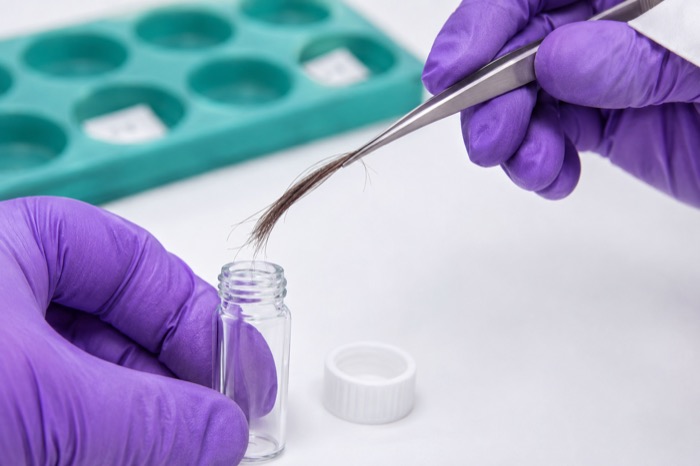
Were People Getting High 2,800 Years Ago?
Cannabis seeds and chemical traces in preserved hair from a Siberian tomb suggest that some Scythians were exposed to its intoxicating compounds about 2,800 years ago. The evidence is strong, but it leaves many questions open.
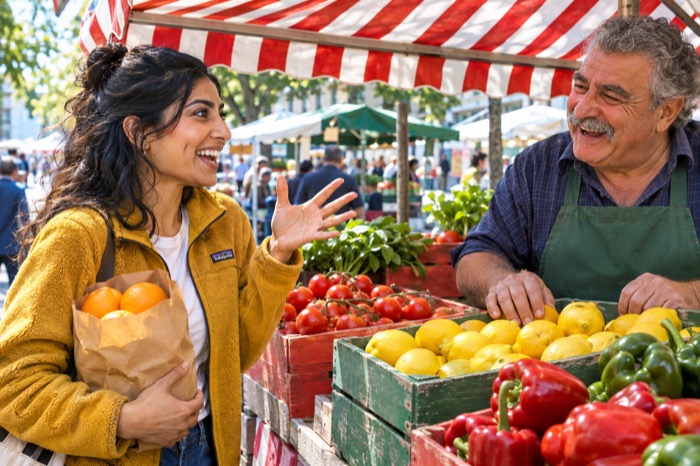
Are You the Same Person in Your Second Language?
A study of 106 Greek-English bilinguals found that the language they used did not change their moral decisions, although it did shift how some of them described themselves.
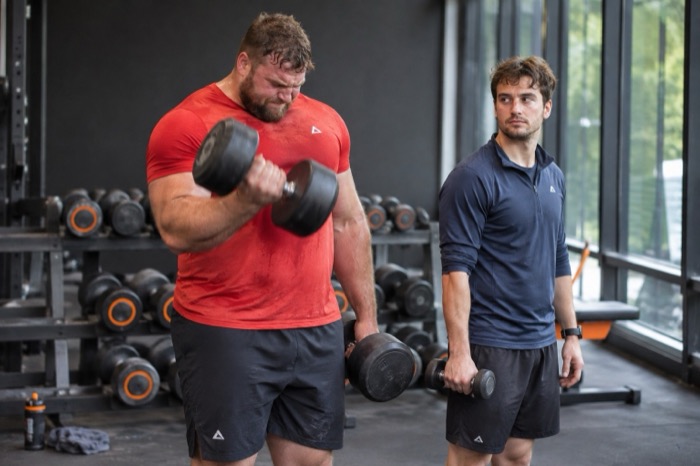
Why Is "Mogging" the Word of the Year?
Collins has chosen a word that teenagers use about dogs and footballers. It started somewhere much less friendly.
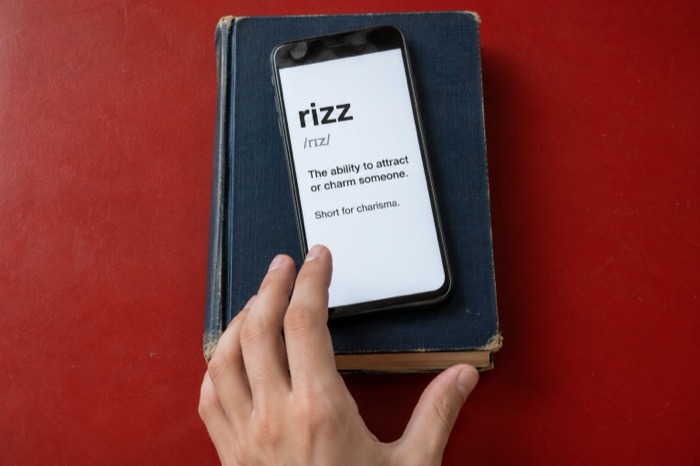
Where Do Your Words Actually Come From?
A word can go from one group chat to the whole world in a week. Who invented it is a harder question than it looks.
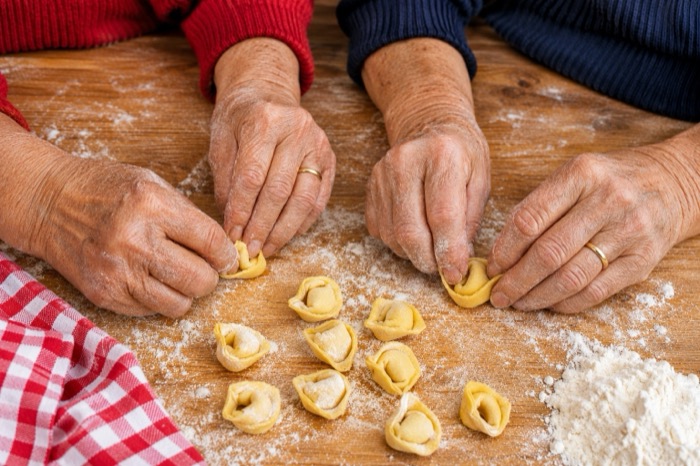
Can You Learn a Better Life from an Italian Grandmother?
Two friends in their late eighties bake bread in a small Italian town. The internet has decided they are the answer to something.
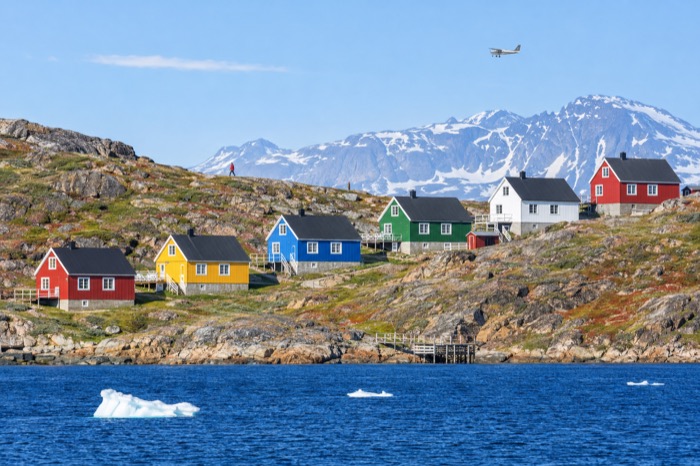
What Happens When One of the World's Quietest Places Gets Easier to Visit?
Greenland now has three new airports and more visitors than ever, but tourism is still a small part of its economy. Some residents worry about what a rush of visitors could do to a quiet place with a fragile environment.
Is Social Media Making Wellness Too Hard to Escape?
Eating disorder experts in Australia say online wellness content can blur the line between helpful health advice and old-fashioned diet culture, and they are asking one question: who really benefits?

Why Do We Trust Confident People?
A psychiatrist argues that charisma should make us more careful, not less. Online, we judge people on a handful of confident minutes.
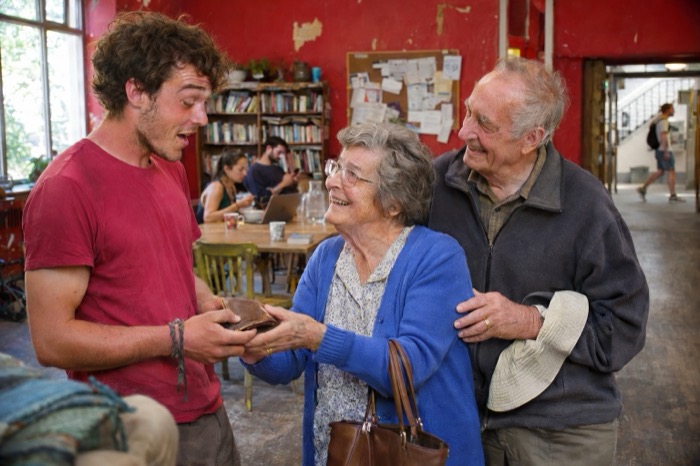
The Couple Who Spent the Night Looking for a Stranger
A backpacker lost a wallet holding a month's money in Darwin in 1989. Two strangers visited four hostels to give it back, then disappeared.

Is It Time to Stop Improving Everything?
“Maxxing” is Dictionary.com's word of the year. One columnist has had enough of it and wants 2027 to be the year we do less.

What Chefs Do When Their Children Will Not Eat
Nine professional cooks were asked how they feed their own families. Almost all of them described a fussy child, and none of them had a trick.
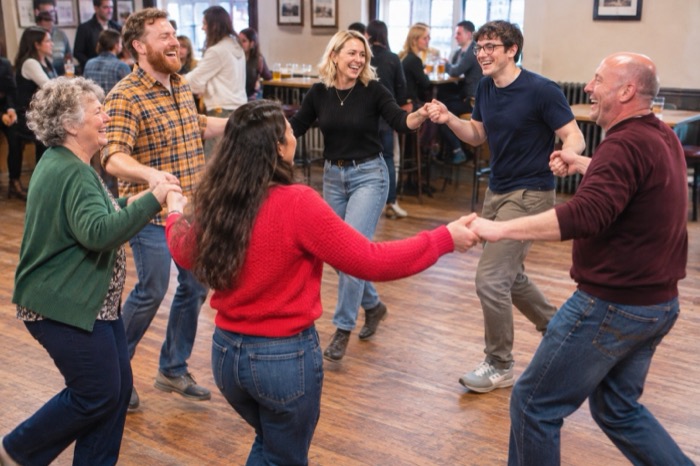
Why Young People Are Turning Up to Ceilidhs
An old Scottish and Irish dance is filling pubs with people in their twenties. Ticket sales are up, and nobody has to arrive with friends.
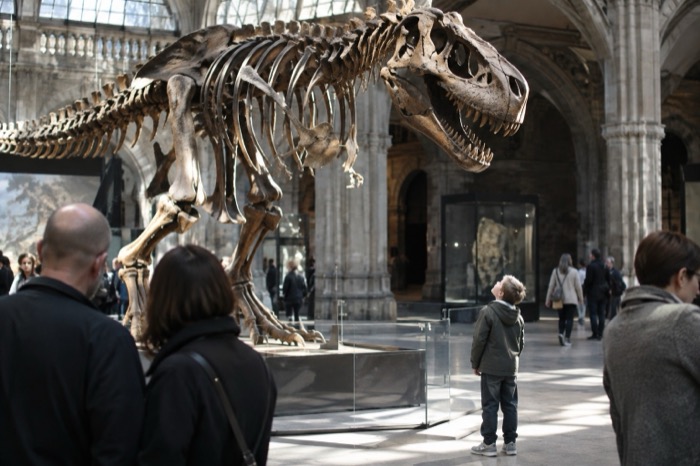
Who Should Own a $47 Million Dinosaur?
A rare skeleton sold in New York for far more than anyone expected. Palaeontologists are less interested in the price than in where the bones go next.

The Restaurants Asking Families to Put Their Phones Away
Fifteen Sardinian restaurants are trying a new approach to family meals: fewer screens, more games and, they hope, more conversation.

Why Does the Generation Gap Feel So Wide?
Younger people in the EU use social networks far more than the population as a whole. Researchers warn that a real difference in habits is not the same as a difference in character.
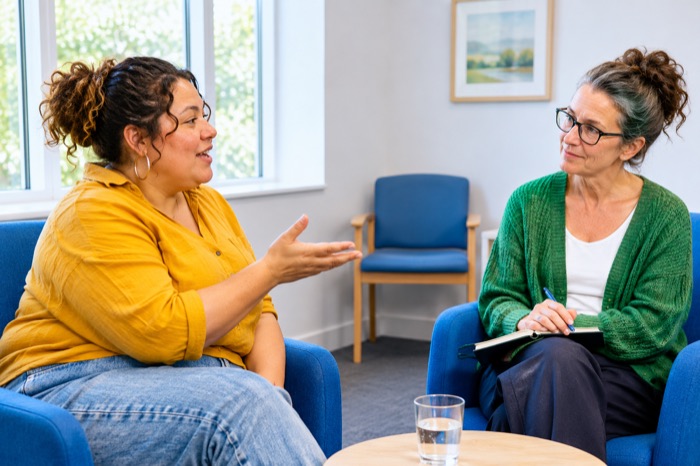
Therapy Is More Normal. Is It Easier to Get?
In a UK survey of 5,058 adults, 37% said they had seen a therapist. Among those who thought about it and did not go, cost and waiting lists were the reasons given most often.
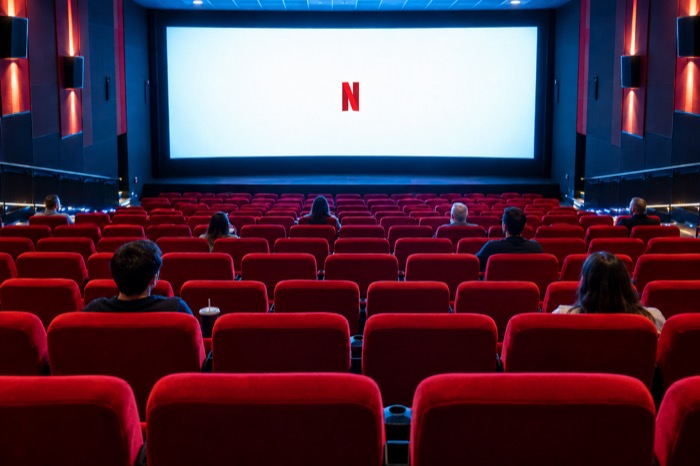
Has Streaming Beaten the Cinema?
Three quarters of American adults watched a new film at home last year rather than going out for it. Cinemas have not closed, but they are no longer the default.
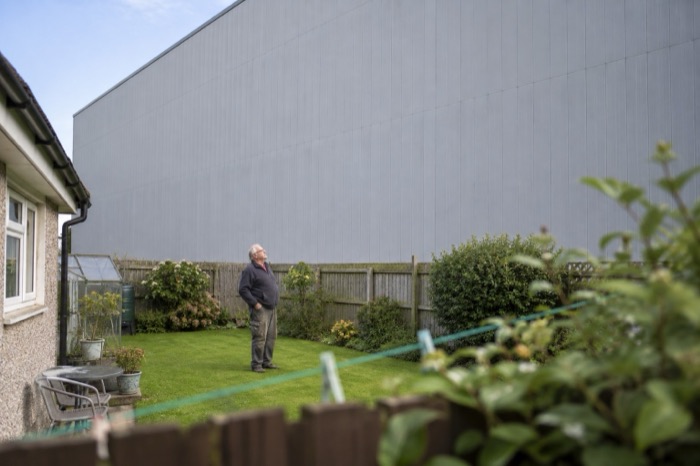
What Is It Like to Live Next to a Data Centre?
Britain is building data centres to power artificial intelligence. In Newport and Cardiff, the people living beside them are asking who benefits.
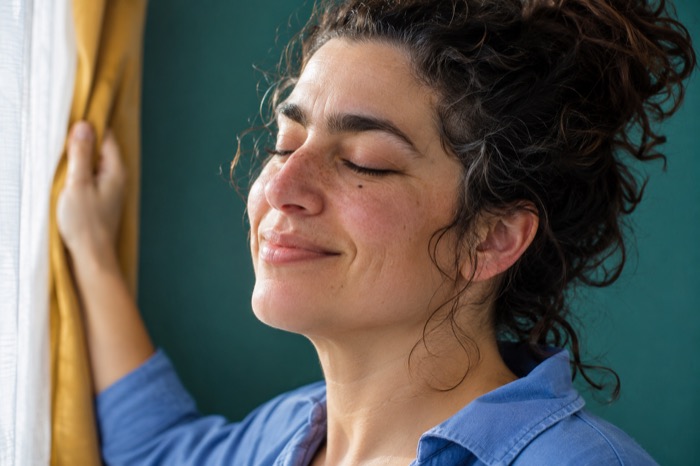
What If Some Depression Is Really a Body-Clock Problem?
Australian researchers have described a possible subtype of depression linked to the body's internal clock. The finding is early, and it does not change what anyone should do about their own treatment.
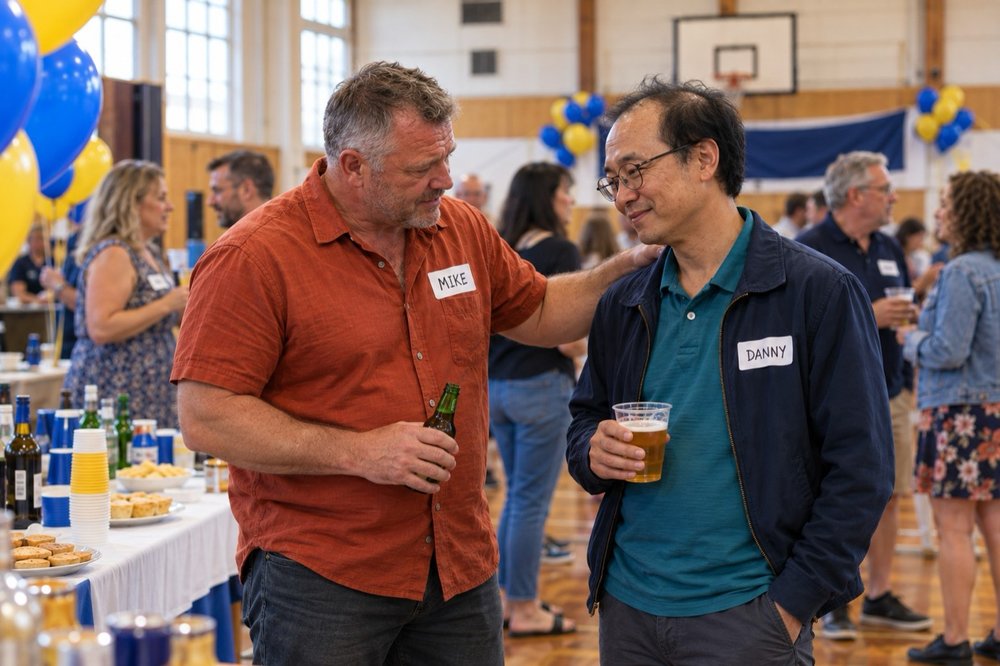
Would You Go to Your School Reunion After 20 Years?
One man went to his school reunion with a single aim: to apologise to a friend who was bullied years ago. What do reunions really give us?

No Influencers Allowed: Are Restaurants Fighting Back Against Social Media?
Hotels, restaurants and beauty spots are putting up "no influencers" signs. Are venues right to limit photoshoots, or are they missing out?
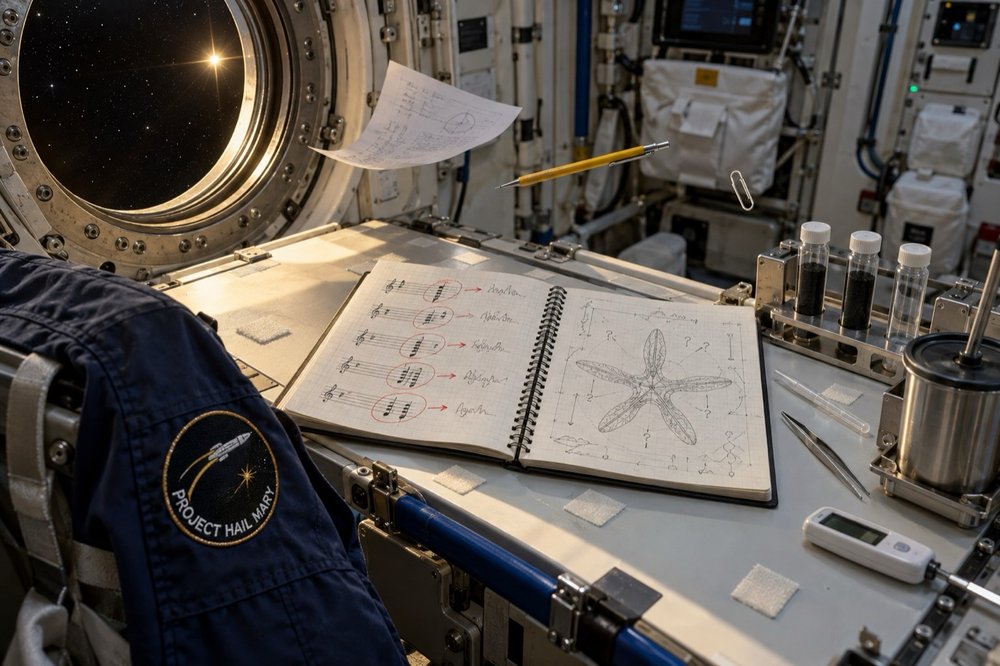
Project Hail Mary: The Space Adventure That Makes Science Exciting
A science teacher wakes up alone on a spaceship with no memory and one job: save the Sun. Why has a film about thinking, not fighting, been such a hit?
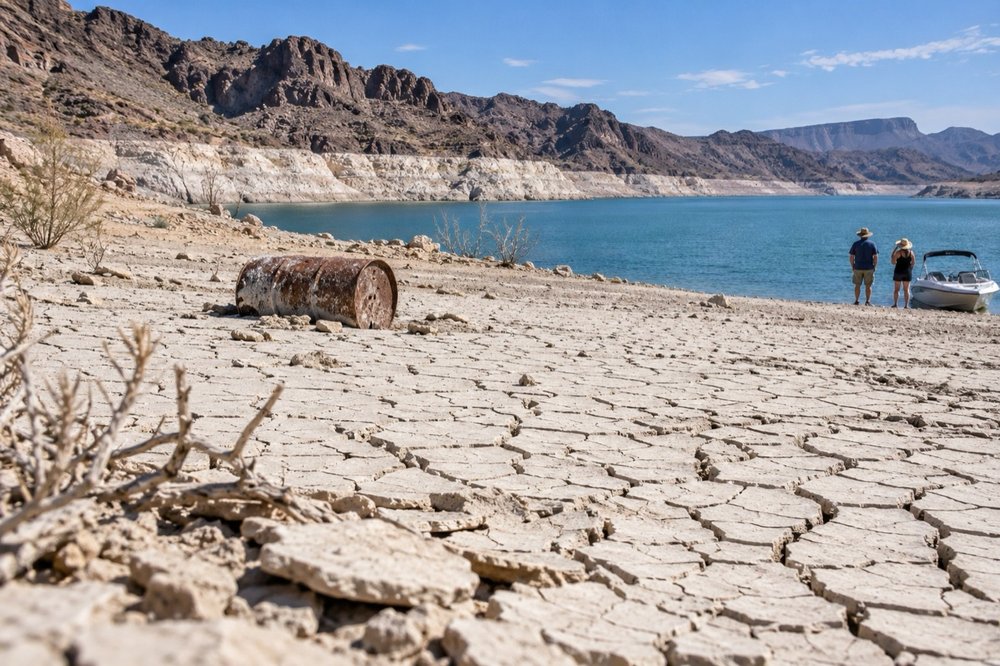
A Body in a Barrel. A 40-Year-Old Mystery.
When Lake Mead fell during a drought, a rusted barrel with human remains appeared. After four decades, science finally gave the victim a name.
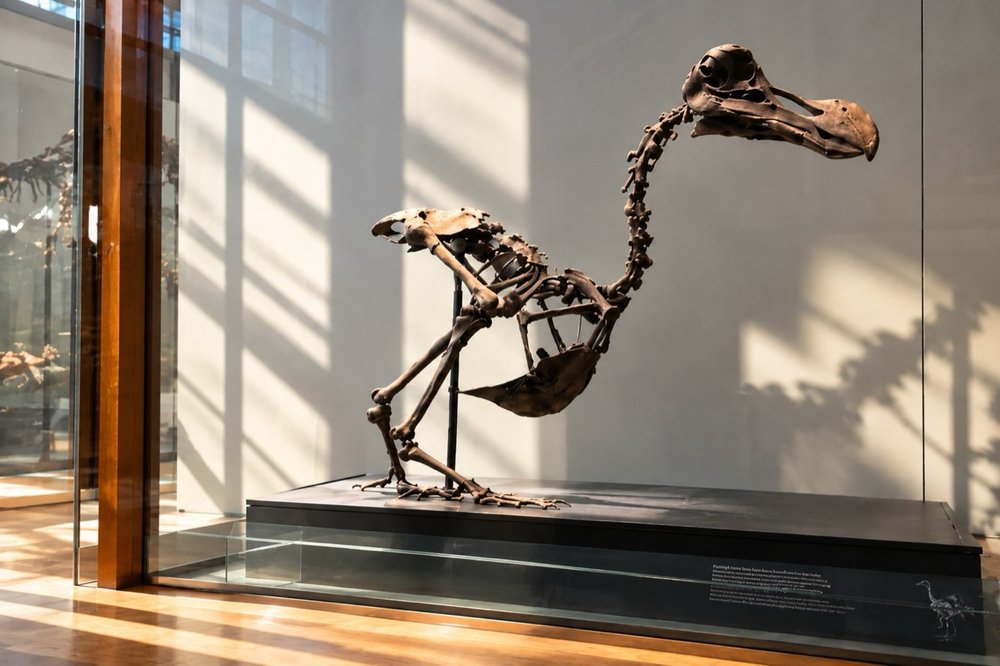
Can Scientists Really Bring the Dodo Back?
A US company says it is making progress towards bringing back the dodo. Can scientists really undo an extinction?

Learning to Read at 46: A Second Chance at Life
For most people, reading is something they learn as children. But one British man spent decades unable to read a book, a menu or even a food label. Then, at the age of 46, everything began to change.

Is Instagram Choosing Our Holidays?
A beautiful image can send you across the world. It can also send several thousand other people to the same railing.

A Strange Stone Outside His Home Turned Out to Be 3,000 Years Old
A man in Egypt noticed an unusual stone while working on his land. What followed was a discovery linked to one of the ancient world's most famous pharaohs.
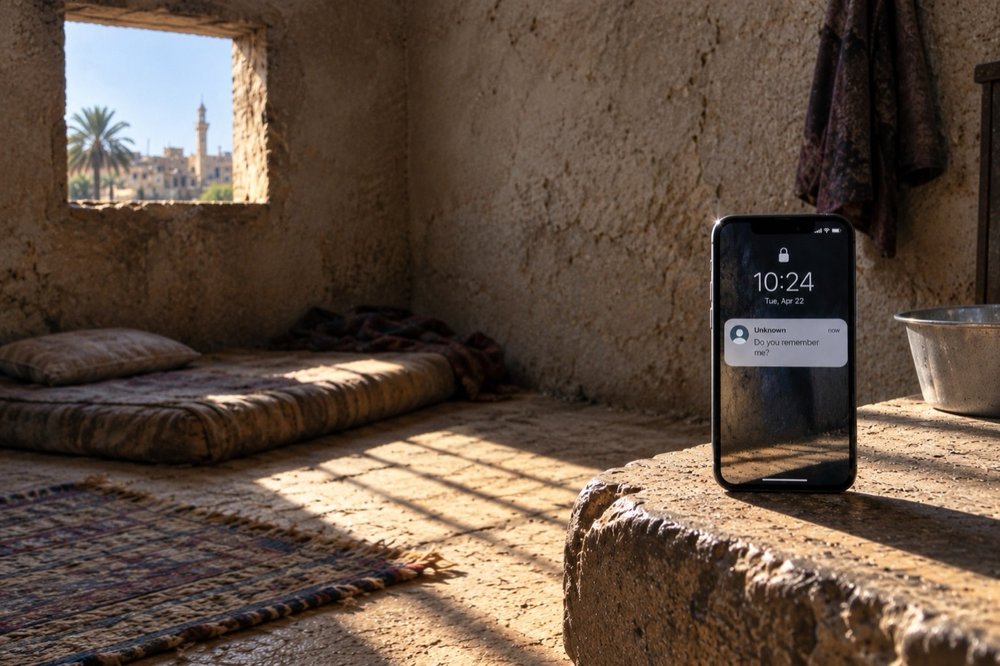
I Was Held Hostage for 977 Days. Then My Captor Messaged Me on Facebook.
Two months after 977 days as a hostage in Somalia, journalist Michael Scott Moore got a Facebook message from one of his guards. Should he reply, and what does forgiveness mean?
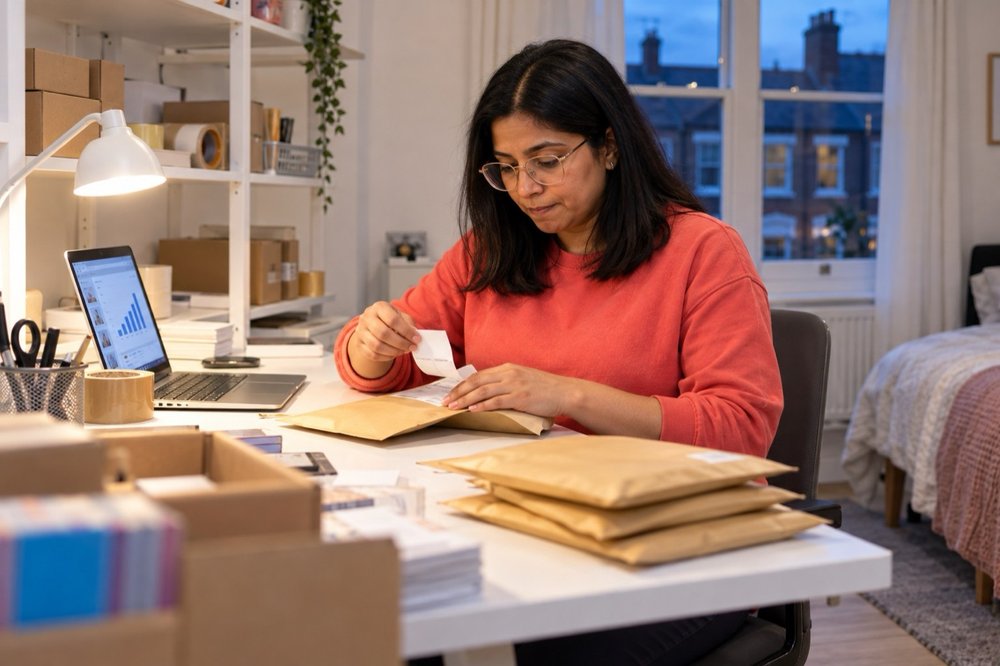
The Side-Hustle Trap: Can You Really Make Money While You Sleep?
Passive-income videos show the payment notification, not the crowded market behind it.
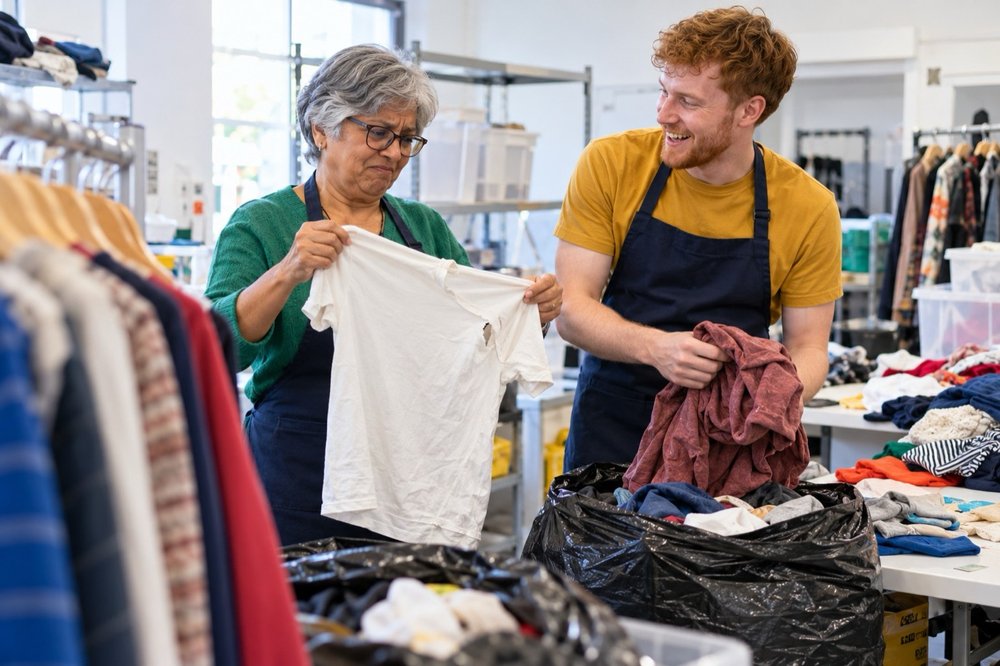
Fast Fashion: The Clothes Nobody Wants
A well-meant donation can become an expense when cheap clothing is too poor to sell again.
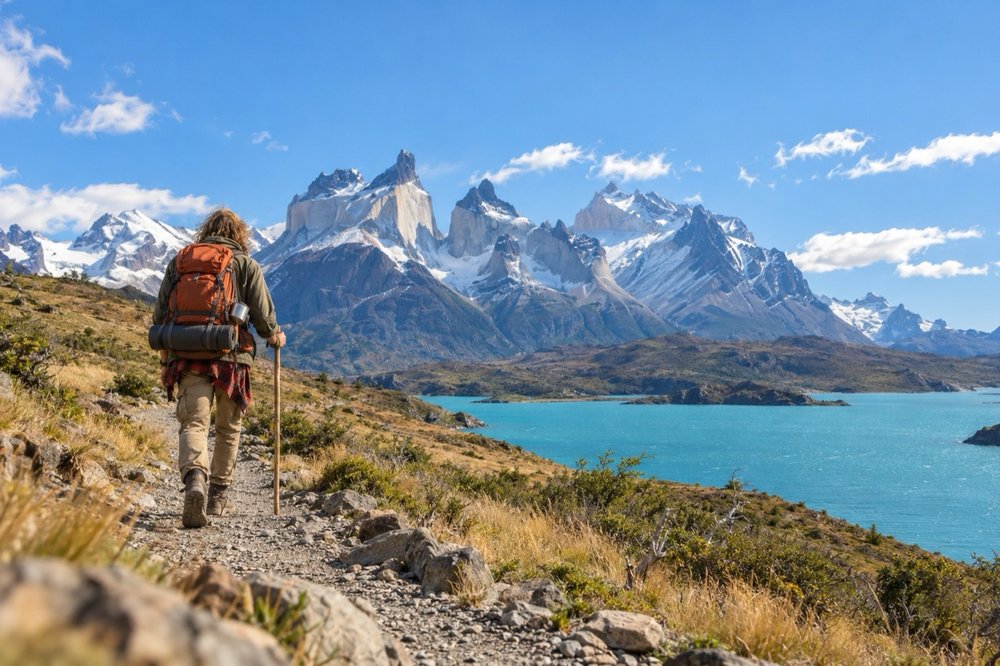
The Man Who Spent 28 Years Walking Home
In 1998, Karl Bushby started walking home to Hull from the bottom of South America. Almost 28 years later, he is nearly there.

Why Are Thousands of French Students Going on Strike?
Thousands of teenagers across France are refusing to attend lessons and joining demonstrations instead. They say their schools are falling apart and the government isn't doing enough to help.

Can the Government Help You Find Love? Singapore Thinks So
Finding the right partner isn't always easy. Now, Singapore has launched its own dating platform to help young people find love. But can a government really make romance happen?

When Do We Finally Know Who We Are?
A Finnish study that followed the same people between the ages of 27 and 61 found that identity kept developing well into adulthood, and that stronger identity development went together with better mental wellbeing.
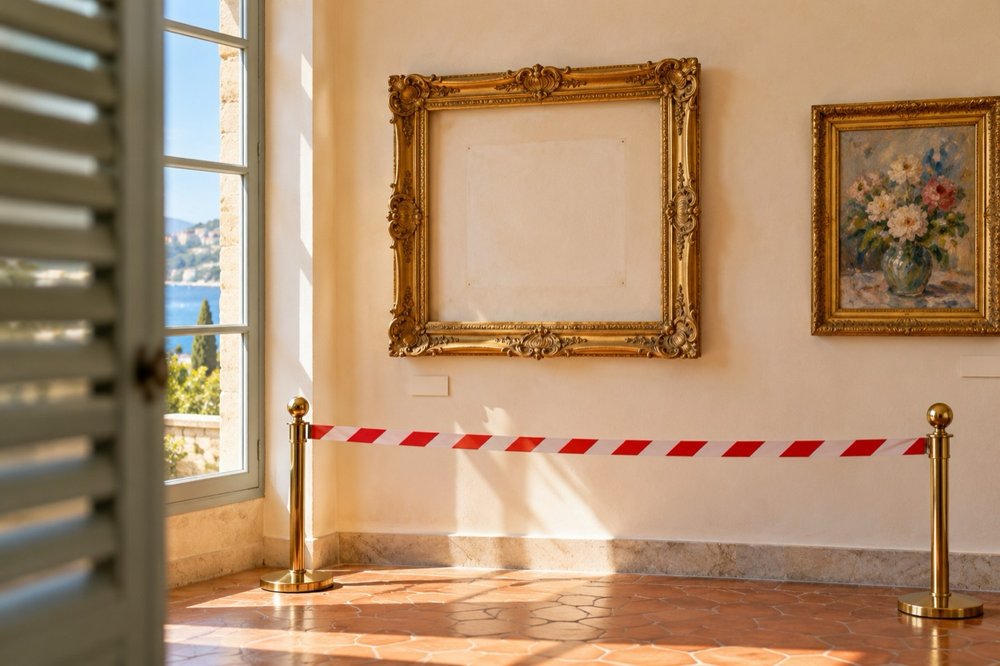
The €4.2 Million Art Heist That Went Wrong
Two Renoir paintings worth about 4.2 million euros were stolen from the painter's former home. The clues the thieves left behind led police to a wall under a staircase.
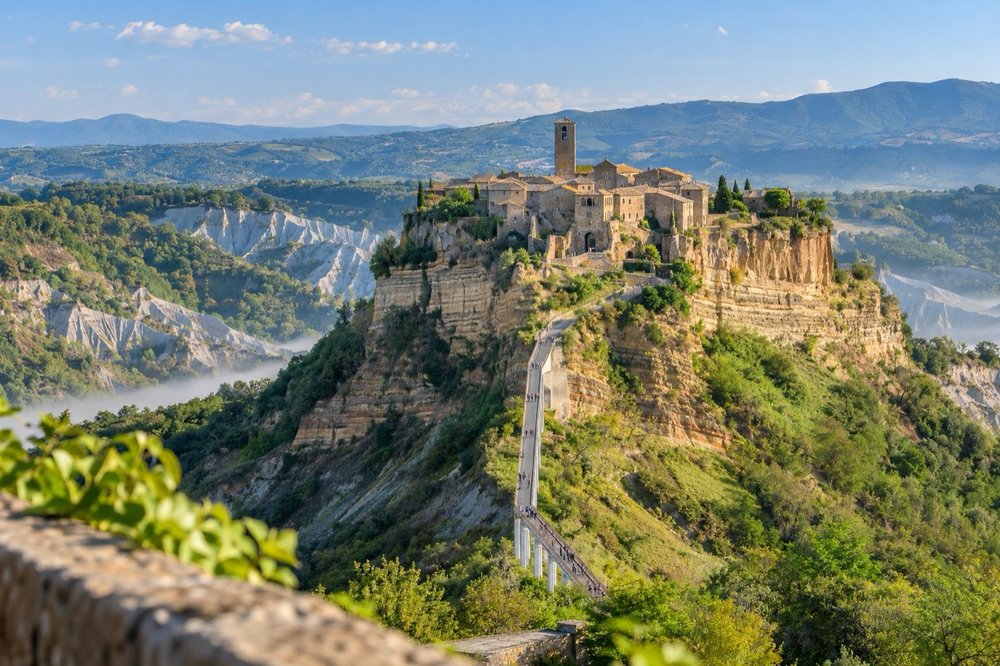
The Dying Italian Village Hoping Art Can Save Its Future
A million-euro cultural programme offers hope to a hilltop village threatened by erosion and depopulation.
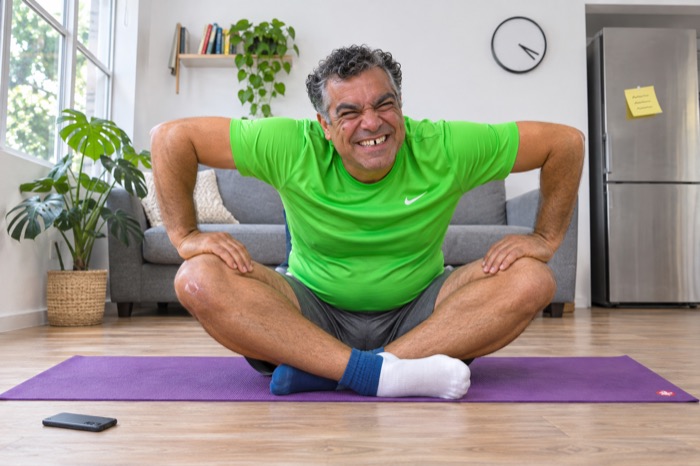
Do Your Hips Really Hold Stress?
Yoga teachers and social media say the hips store tension and trauma. Experts say stress can tighten muscles and sharpen pain, but there is no good evidence that the hips are special.
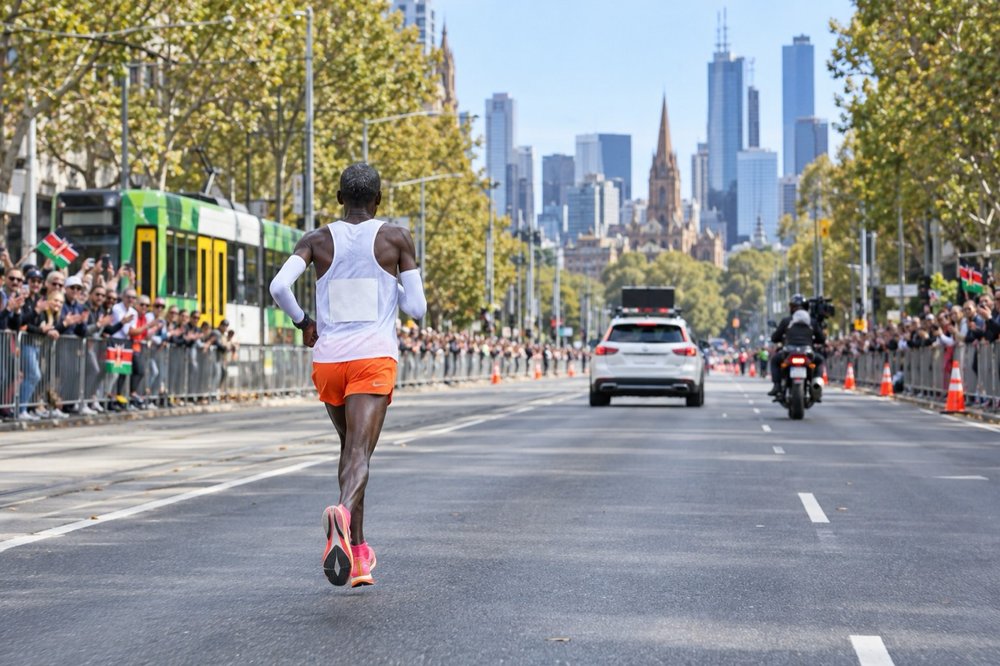
The Marathon Legend Who Refuses to Get Old
At 41, Eliud Kipchoge won the Melbourne Marathon in a record time. What does his success say about age and ambition?

Work, Work, Work: Is Japan Rethinking the Office Life?
Japan wants healthier workplaces, but labour shortages are reopening the argument about longer hours.
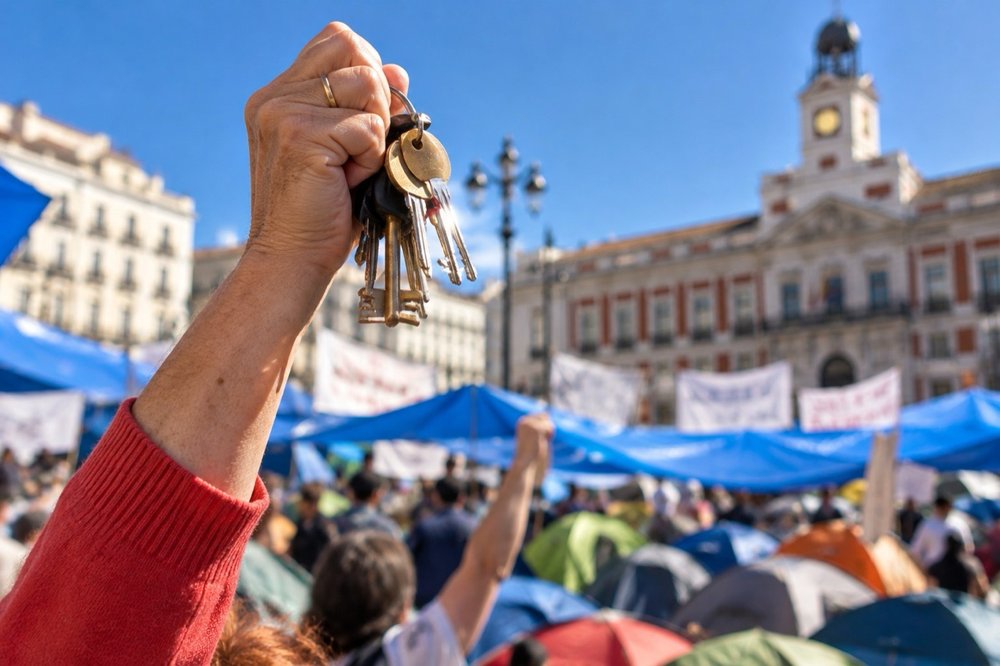
A Home for Life? The Housing Crisis Shaking Spain
The eviction and death of an 87-year-old woman in Madrid have sparked protests across Spain, raising serious questions about the country's growing housing crisis.

Should You Own the Rights to Your Own Face?
AI can create convincing pictures and voices of people who never agreed to be copied. Denmark is considering new rules to give individuals greater control.

Back to the 90s: Why Everyone Wants to Return to the Past
CDs, film cameras and 1990s clothes are selling again. Is the appeal the decade itself, or a break from constant connection?
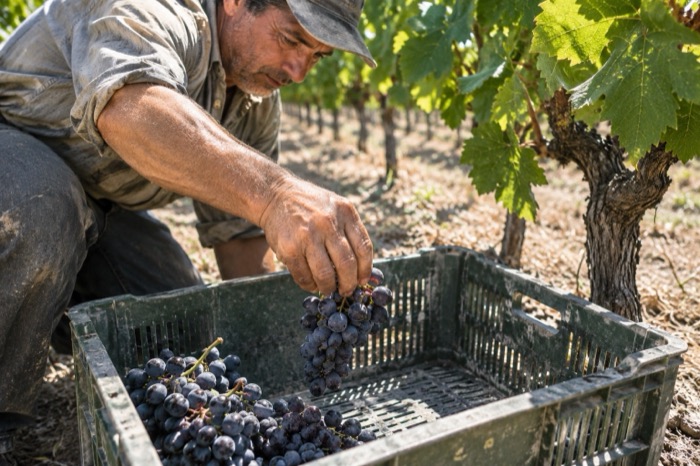
Why Is France Making Less Wine?
France expects one of its smallest harvests in decades. The striking thing is not the national total but how differently the regions fared.
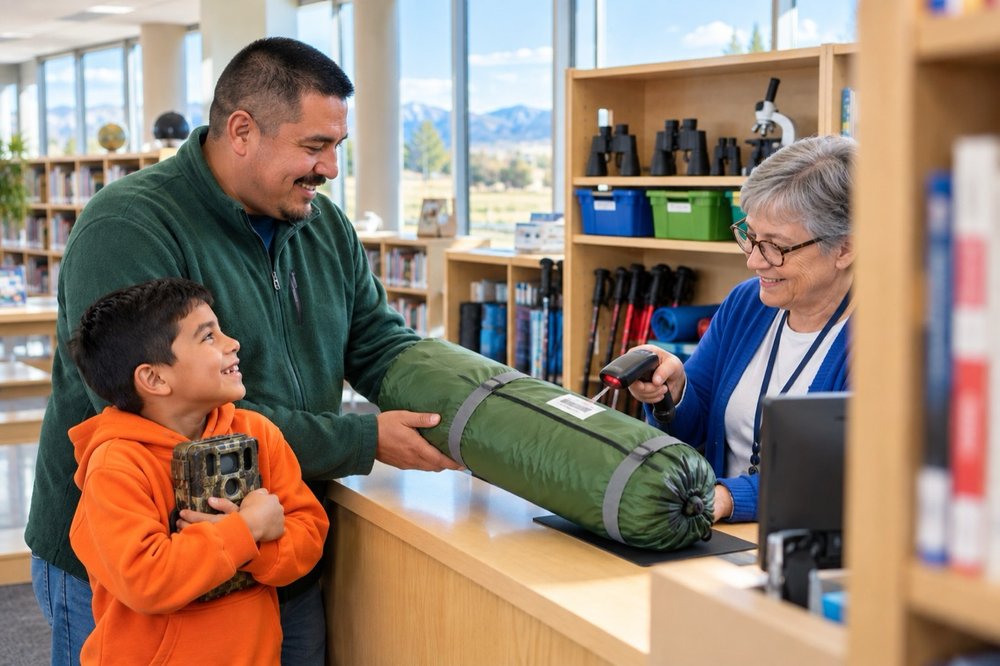
The Library Where You Can Borrow a Tent
Colorado's nature library treats outdoor equipment as something a community can share.

Can Scientists Give Blind People Their Sight Back?
A small trial has used gene therapy and electronic goggles to help blind patients detect objects. How far can the treatment go?

Why Has Everyone Suddenly Fallen in Love with Butter?
A shop in Paris is devoted almost entirely to butter, and it has become a hit. Why has such an ordinary ingredient suddenly become fashionable?

The Capybaras Taking Over Argentina's Richest Neighbourhood
Giant rodents are roaming the lawns of an exclusive neighbourhood near Buenos Aires. But who was there first?
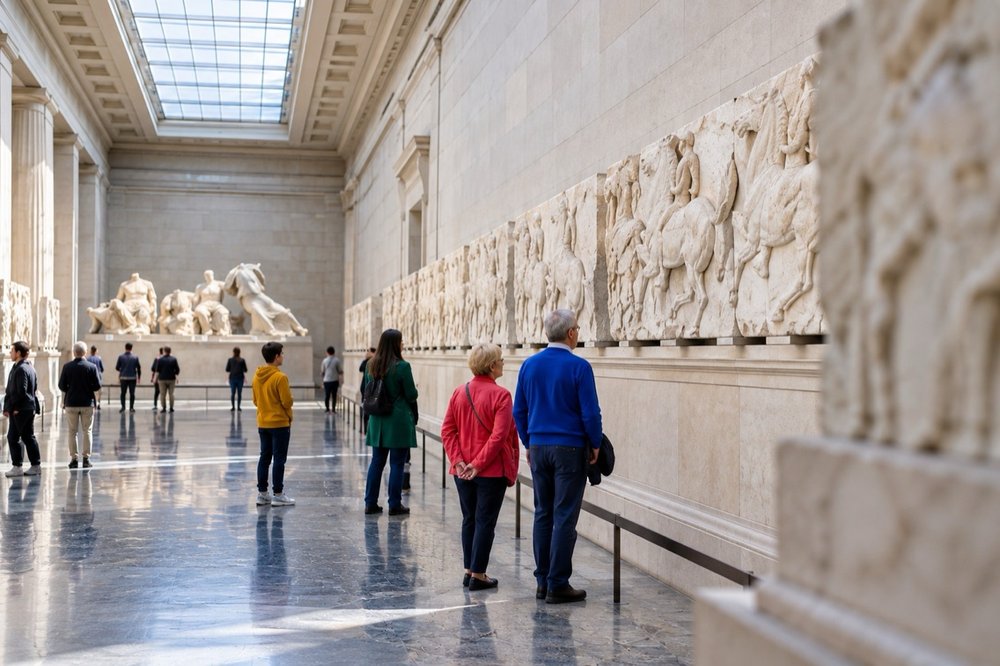
Who Owns History? Greece Wants Its Ancient Treasures Back
For more than 200 years, some of Greece's most famous ancient sculptures have been displayed in the British Museum. Now, the Greek prime minister is increasing pressure on Britain to return them. But who really owns these pieces of history?

Why Don't We Invite Friends Over Any More?
A casual cup of tea has acquired a long list of conditions: a clean home, impressive food and a free evening.
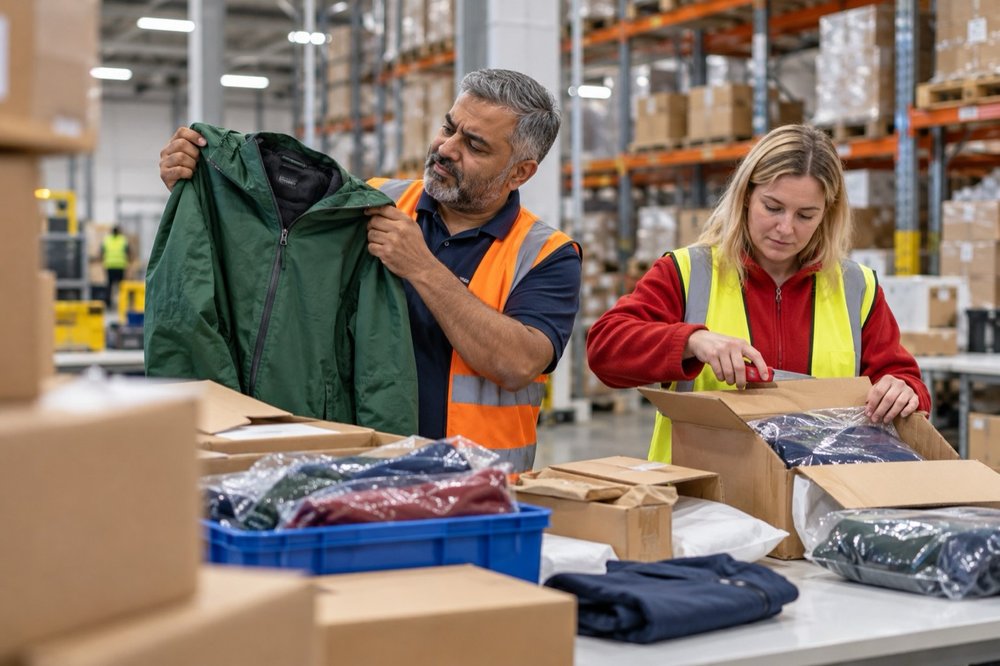
The Hidden Cost of Free Returns: Who Really Pays?
Printing a returns label takes seconds; deciding what to do with the unwanted item can take much longer.
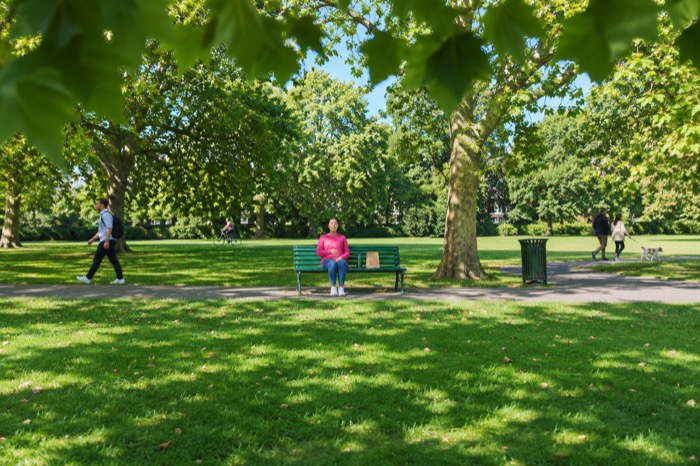
Can You Really Reset Your Nervous System in Five Minutes?
Experts say there is no such thing as a nervous system reset, but a few minutes of slow breathing and some ordinary habits can help your body recover from stress.
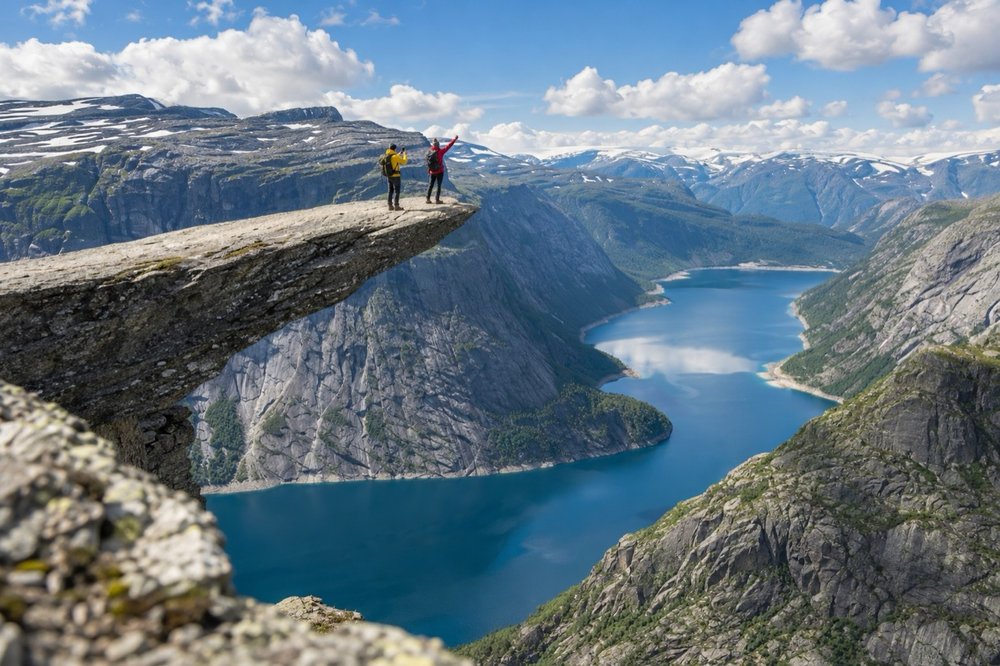
The Rise of the Coolcation: Are We Falling Out of Love with Hot Holidays?
After another punishing European summer, northern weather has become part of the attraction.
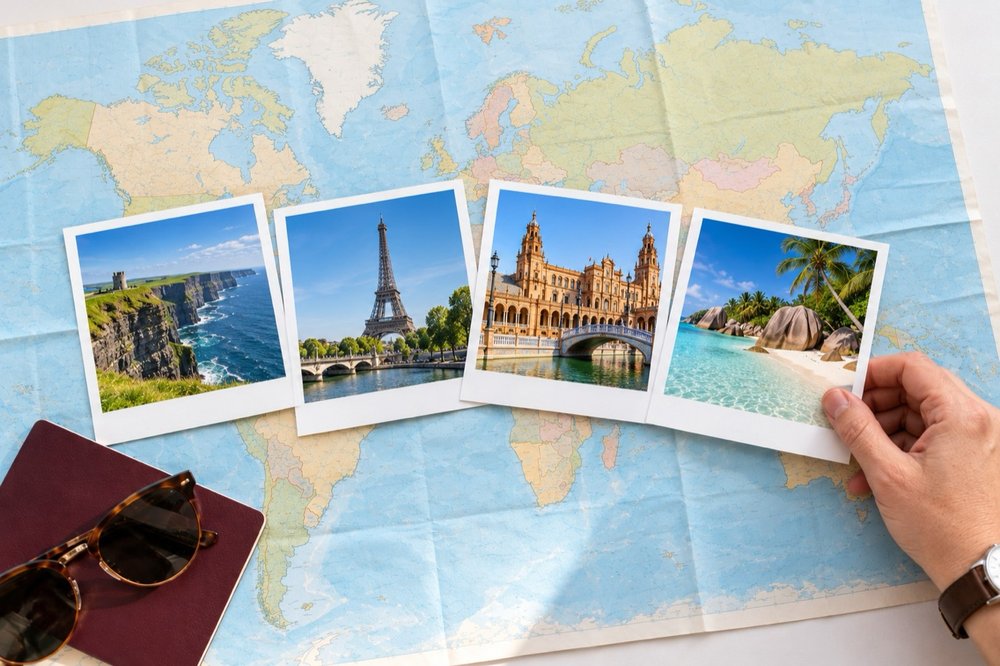
Where Will Everyone Want to Travel in 2027?
A new travel report points beyond the biggest tourist capitals. But do rising searches really predict the next holiday hotspots?
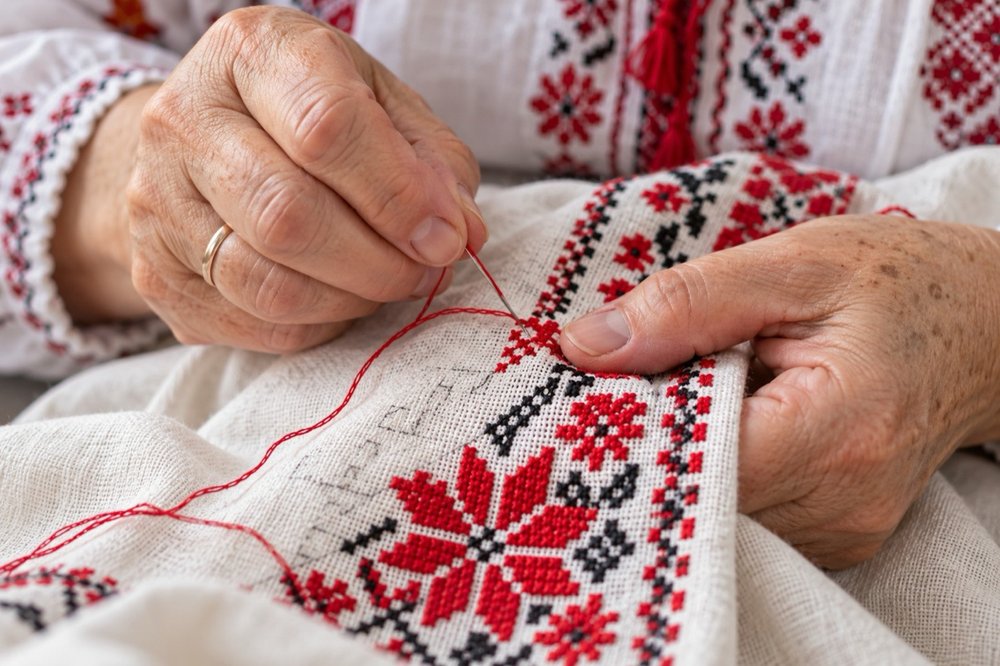
Can Fashion Help Save Ukraine's Culture?
Ukrainian designers are turning old patterns and skills into modern objects. During a war, keeping those traditions alive has taken on new meaning.
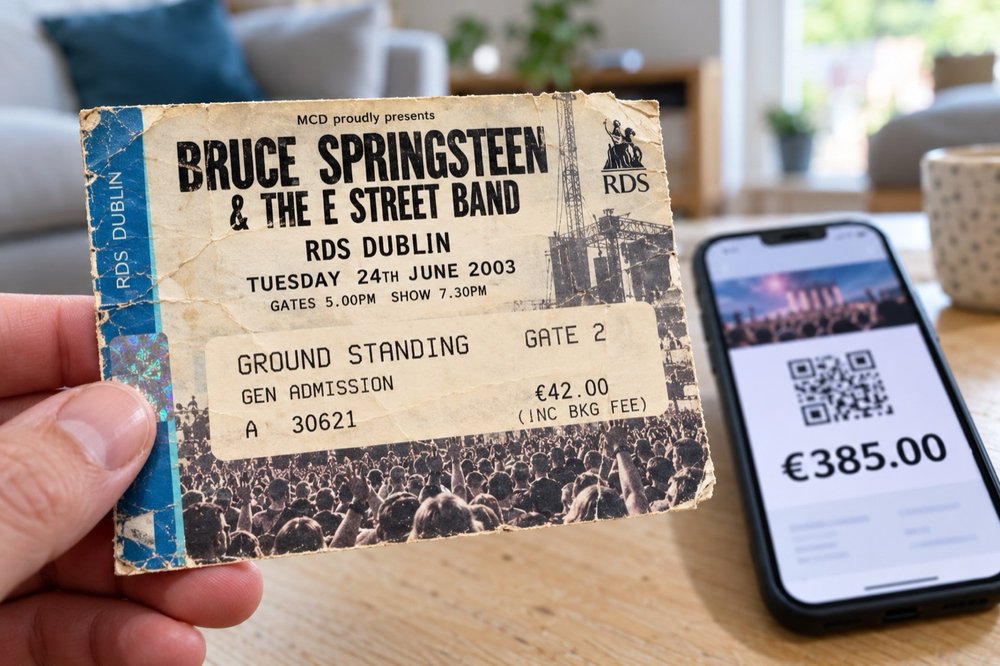
When Did Going to a Concert Become a Luxury?
Concert tickets cost far more than they used to, and young fans feel the pressure. Why are prices so high, and is live music becoming a luxury?
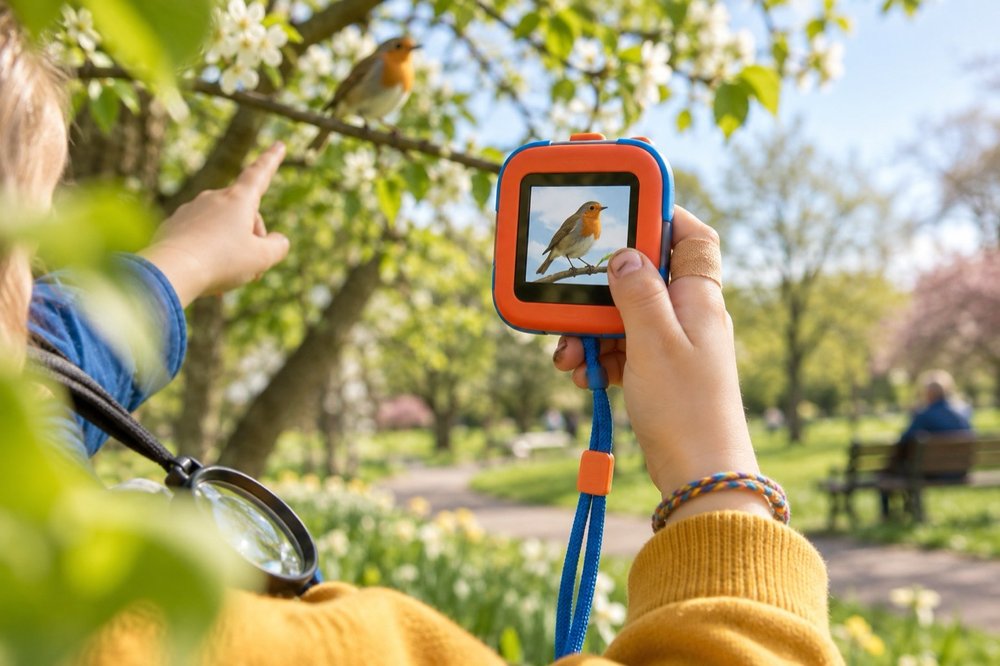
Would You Give Your Child a Phone Without Social Media?
A new phone for children has no browser, no app store and no social media. Is that the answer for worried parents?
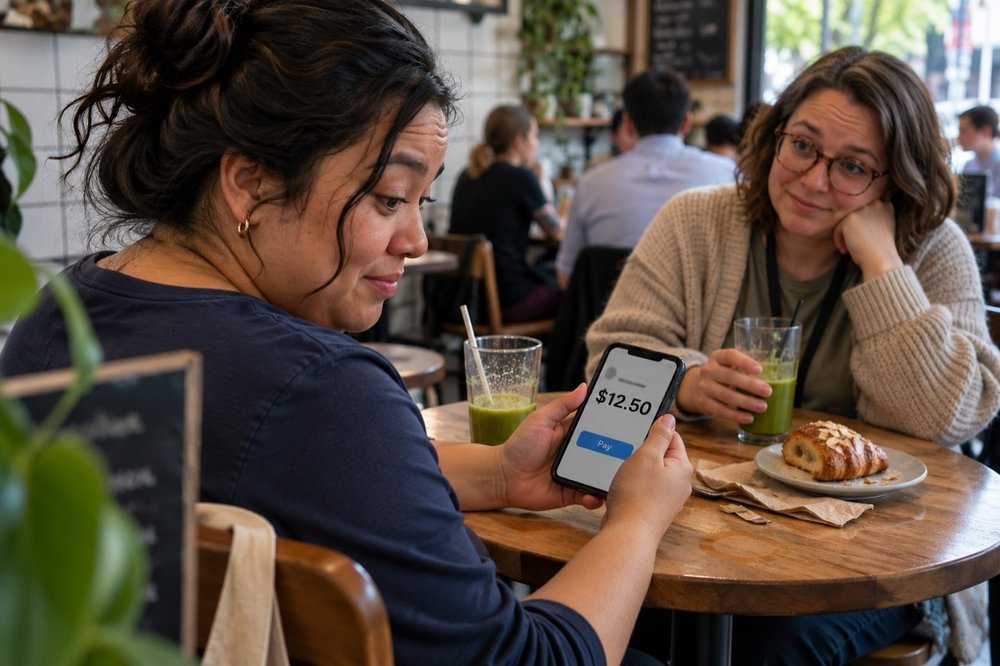
Should You Ask a Friend to Pay Back the Price of a Coffee?
After a catch-up over green juice, a friend asked a writer to pay back A$12.50. Should friends keep track of small amounts?

Can an Iced Coffee Cost You Your Dream Job?
A recruiter's warning about iced coffee at interviews started an argument about manners, generations and what employers should really be judging.
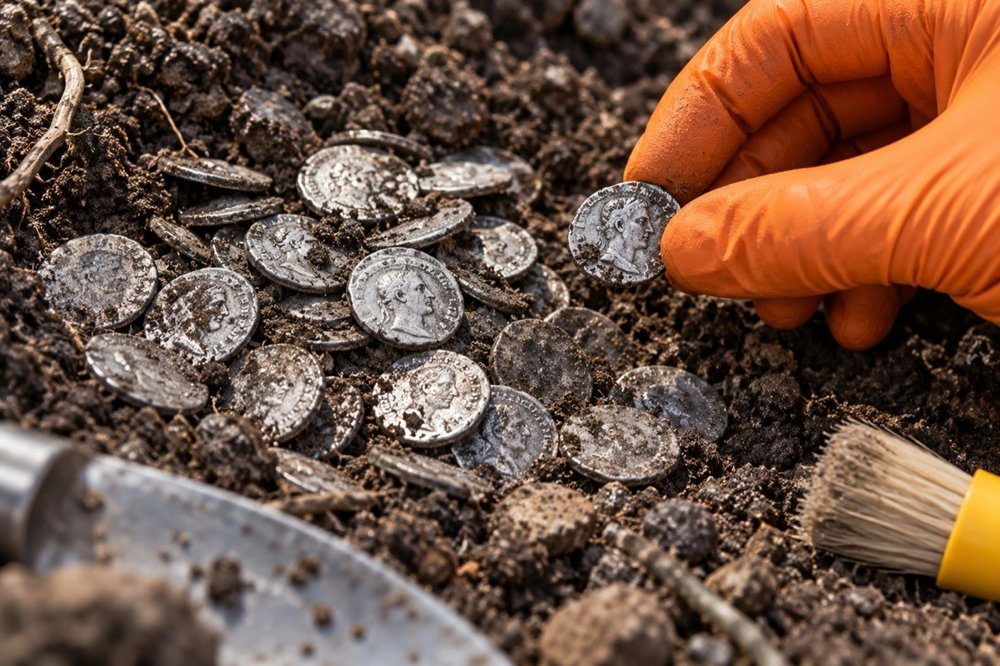
The Man Who Found 934 Roman Silver Coins
A metal detector led to 934 Roman silver coins in a German field. What can a hidden hoard tell us about ordinary life nearly 1,900 years ago?
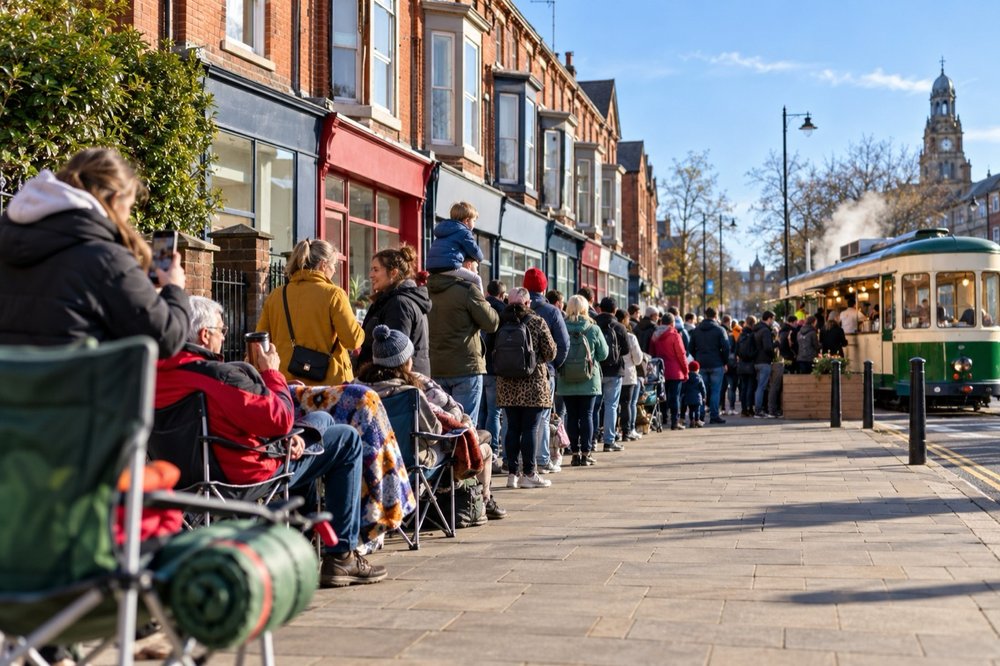
Would You Queue 24 Hours for a Jacket Potato?
Social media can turn a simple jacket potato into a reason to queue for 24 hours. Is going viral good for small restaurants?

The Influencers Trying to Film the World's Most Isolated People
Some content creators try to film communities that want to be left alone. Why is this so dangerous, and who has the right to decide?

How Can a Job Be Exhausting When There's Hardly Anything to Do?
Burnout comes from too much pressure. But boredom and a lack of purpose can also leave workers drained.
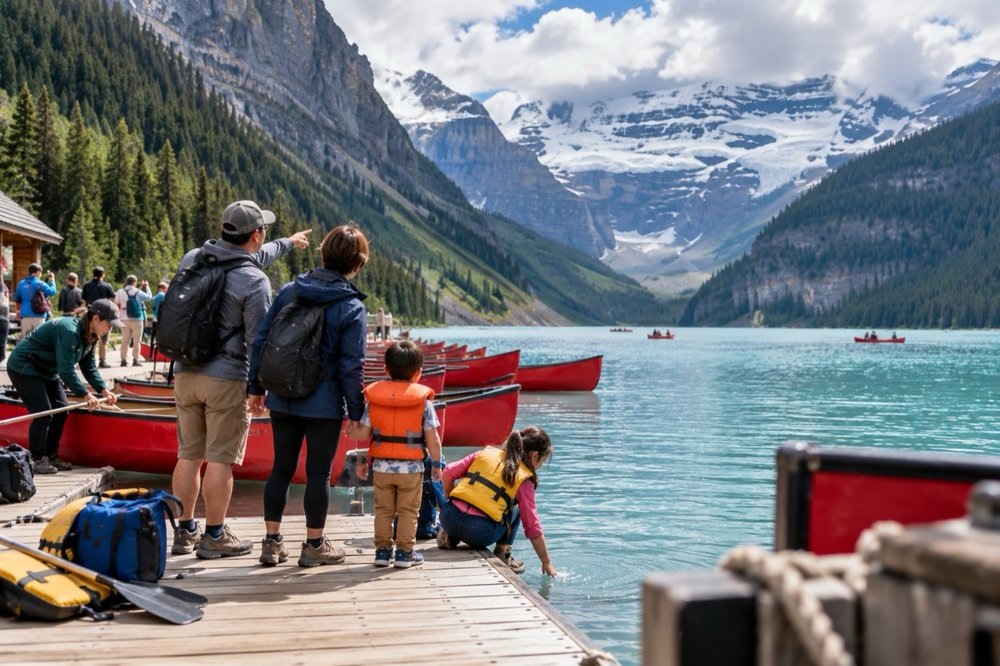
Why Are Canadians Turning Their Backs on American Holidays?
Canadians have long been frequent visitors to the United States. But political tensions are changing some people's travel plans, and American tourist businesses are noticing.
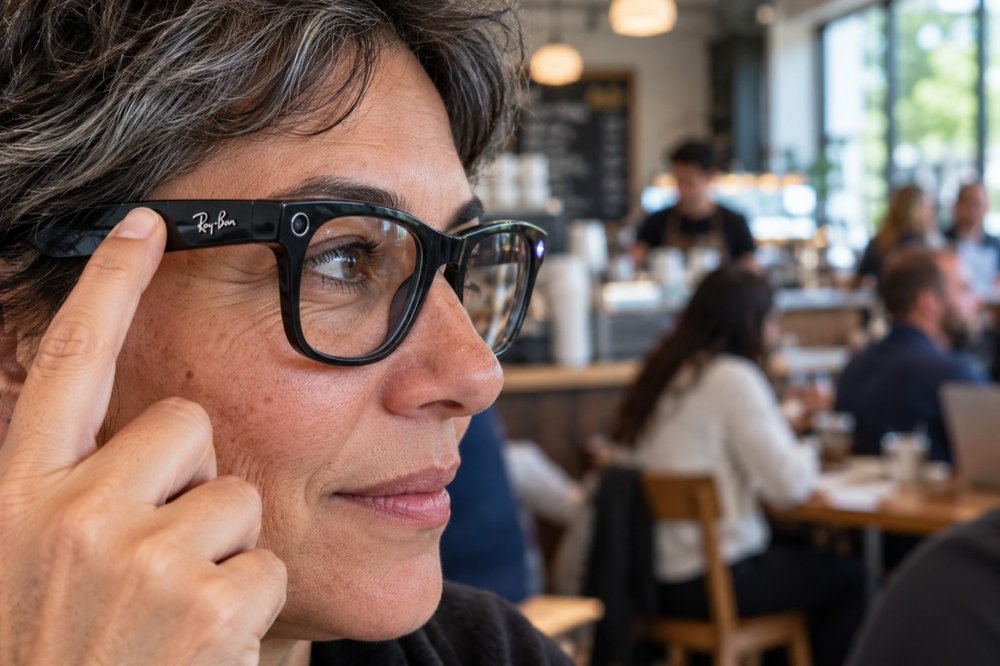
Smart Glasses: Helpful Technology or a Threat to Privacy?
Smart glasses can read signs, translate conversations and help people with disabilities live more independently. But fears about secret recording have led to calls for restrictions in Australia.

Is a Weekend Lie-In Actually Good for You?
New research on 40,000 adults links weekend lie-ins with slightly lower odds of high blood pressure. Should we stop feeling guilty about them?

Bali's Foreigners Problem: Who Really Benefits from Paradise?
Nearly seven million international visitors arrived in 2025. The argument is about how tourism's rewards are shared.

Have We Lost the Ability to Read Books?
Many people still want to read. The protected time and attention required for it are slipping away.

Who Are You When You're Not Working?
A job can give us money, purpose and a place in the world. But should it tell us who we are?
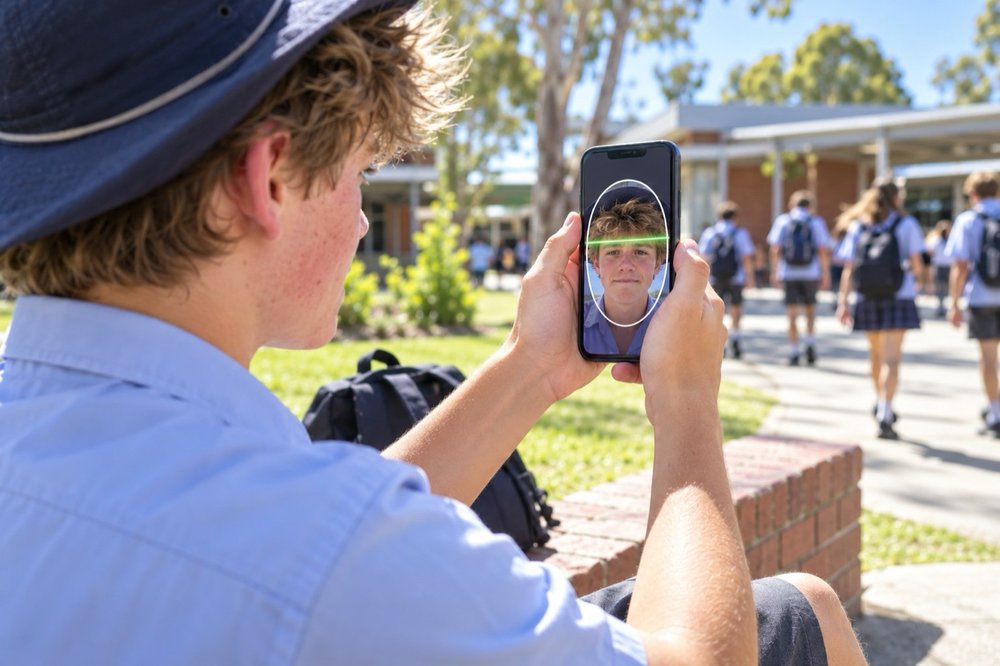
Australia Banned Social Media for Teenagers. Did It Work?
Australia introduced strict rules for social media accounts held by under-16s. The difficult question is what happens when teenagers still find ways to get online.
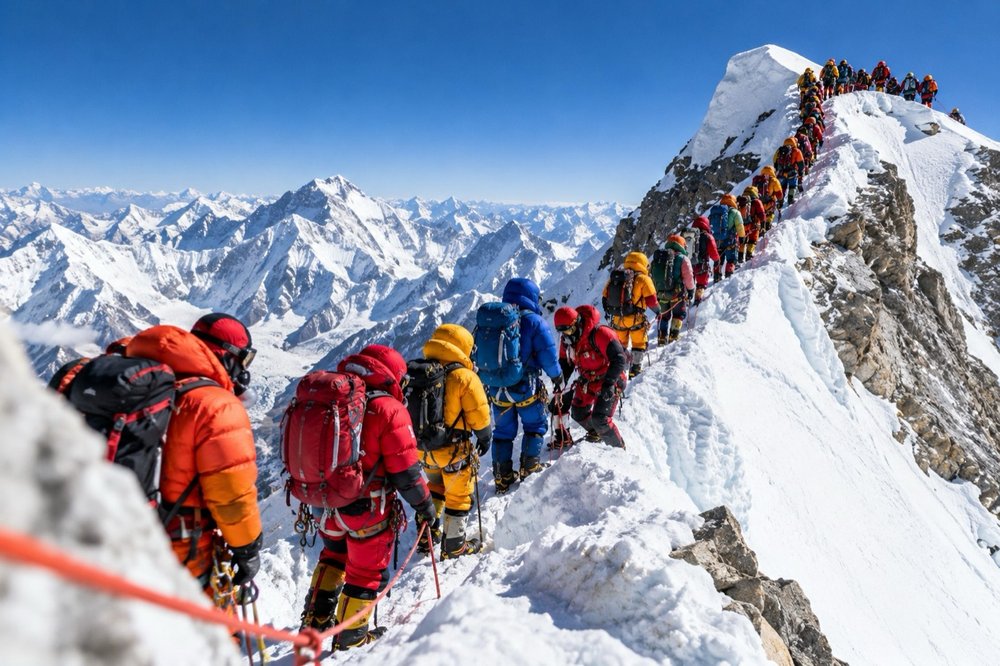
Has Mount Everest Become Too Popular for Its Own Good?
Climbing the world's highest mountain is dangerous, expensive and increasingly popular. Nepal is debating whether visitors should prove their experience before attempting it.
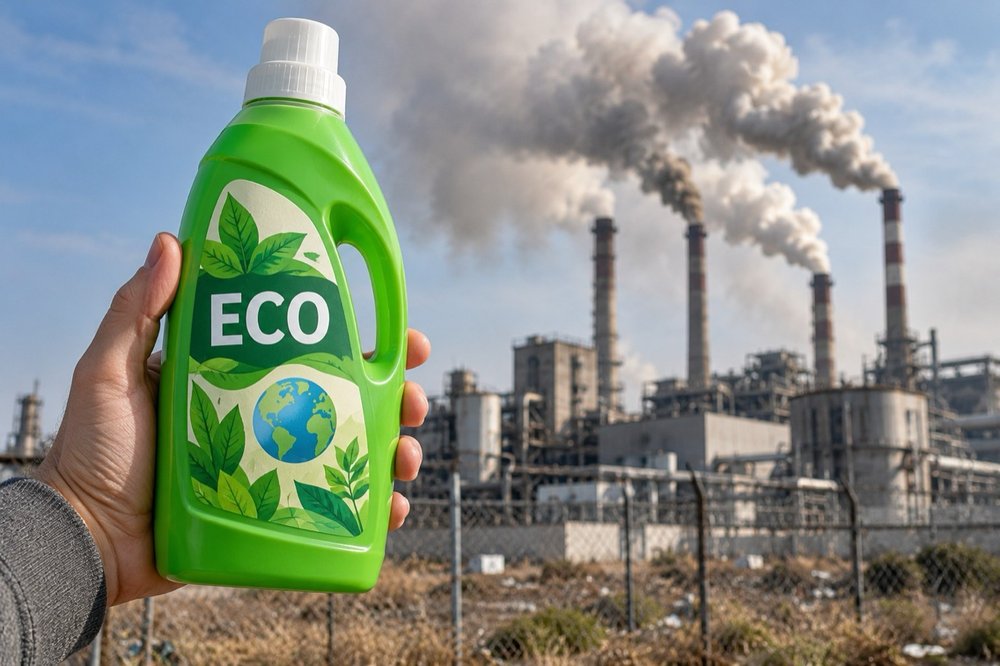
Greenwashing: Are Companies Selling Us a Greener Story?
A green colour and a confident promise can make a product feel responsible. The evidence may tell another story.
Could Retiring Early Be Bad for Your Brain?
A German study found that longer retirement was linked to weaker flexible thinking in some women, but not to more dementia. What should we make of it?

Why Are Couples Crashing Strangers' Weddings?
In South Korea, some couples have been slipping into weddings they were never invited to. They are not looking for cake. They are shopping for a venue.

She Was 99 Years Old When She Crowd-Surfed at a Concert
At 99, Pauline Kana was passed over a Texas crowd on a stretcher and set a world record.

Would You Pay Someone to Be Your Friend?
In China, people are hiring companions to join them for meals, walks and trips. Are they buying friendship, or simply paying for someone's time?
Are We Losing the Ability to Be Bored?
We have entertainment in our pockets, yet boredom may be growing. Is the phone part of the problem?

Has Your Phone Changed the Way You Think?
A notification can interrupt a task in seconds. New research asks what all those interruptions do to attention.
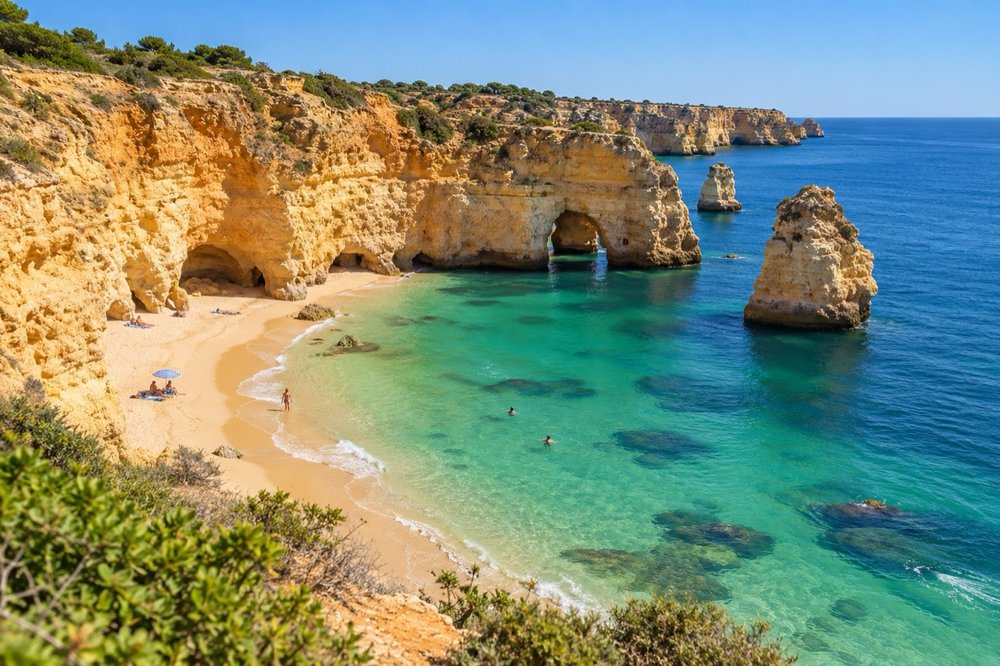
Who Owns the Beach? Portugal's Fight for Its Coastline
In Portugal, residents protested against a plan they feared would restrict access to beautiful beaches. Should nature ever become a private luxury?
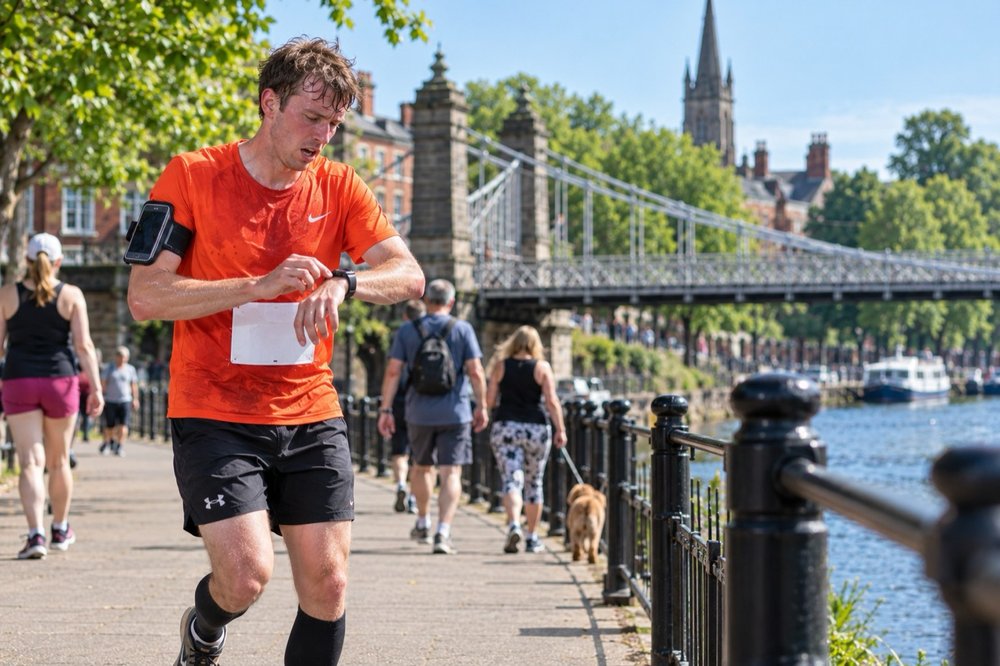
When Did We Start Taking Our Hobbies So Seriously?
Running, reading and baking can all become targets. Has the pressure to improve changed how we enjoy our free time?

The 170-Kilometre City That May Never Be Finished
Saudi Arabia proposed a city stretching in a straight line through the desert. New reports suggest the original vision may be much harder to build than expected.

Is Quiet Quitting Really a Bad Thing?
A worker finishes their tasks and leaves on time. Is that quiet quitting, or simply doing the job?

Why Do We Keep Putting Things Off?
You know what you should be doing, and yet you do something else. Psychologists say the reason has more to do with emotions than with laziness.
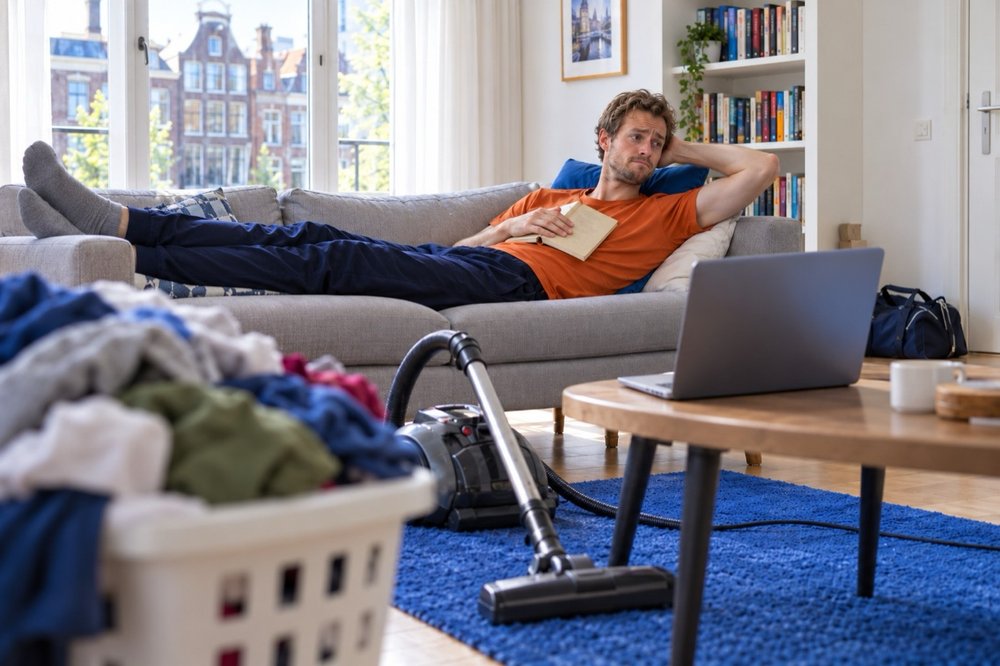
Why Do We Feel Guilty When We're Doing Nothing?
Even a free afternoon can come with a feeling that we should be achieving something. Why is rest so difficult?

Would You Pay €9,000 to Stand on a Balcony?
During Seville's Holy Week celebrations, a good view can cost thousands of euros. What happens when a public tradition becomes a luxury experience?

When Did Getting a Good Night's Sleep Become So Complicated?
From sleep scores to smart rings, technology promises better rest. It can also make bedtime another performance test.
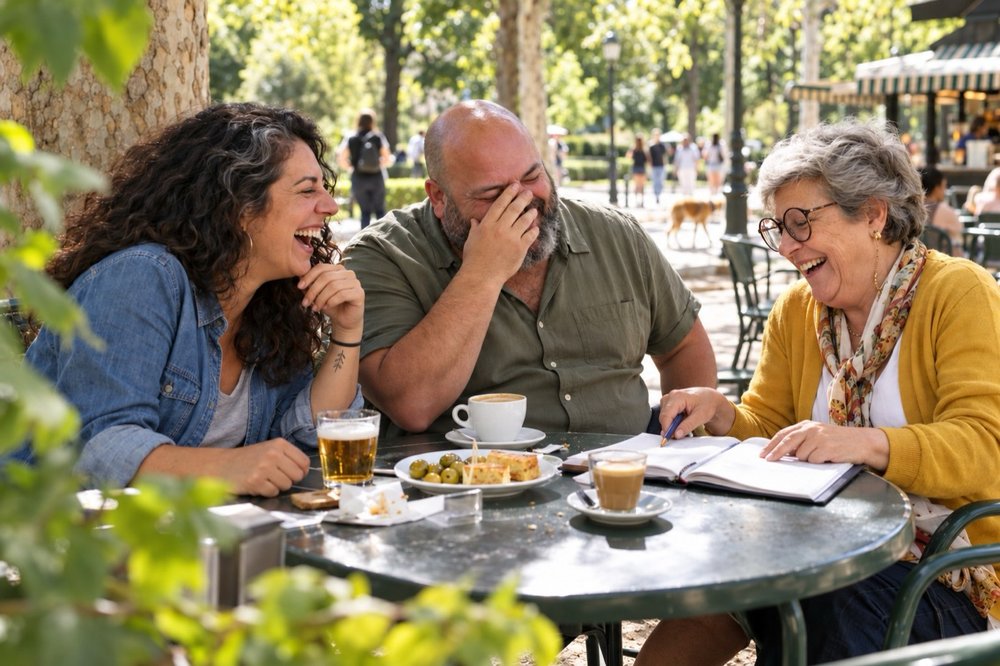
Is There a Secret Formula for Having a Good Day?
Scientists analysed how more than 15,000 people spent their days. Is there a pattern behind the days people call better than usual?
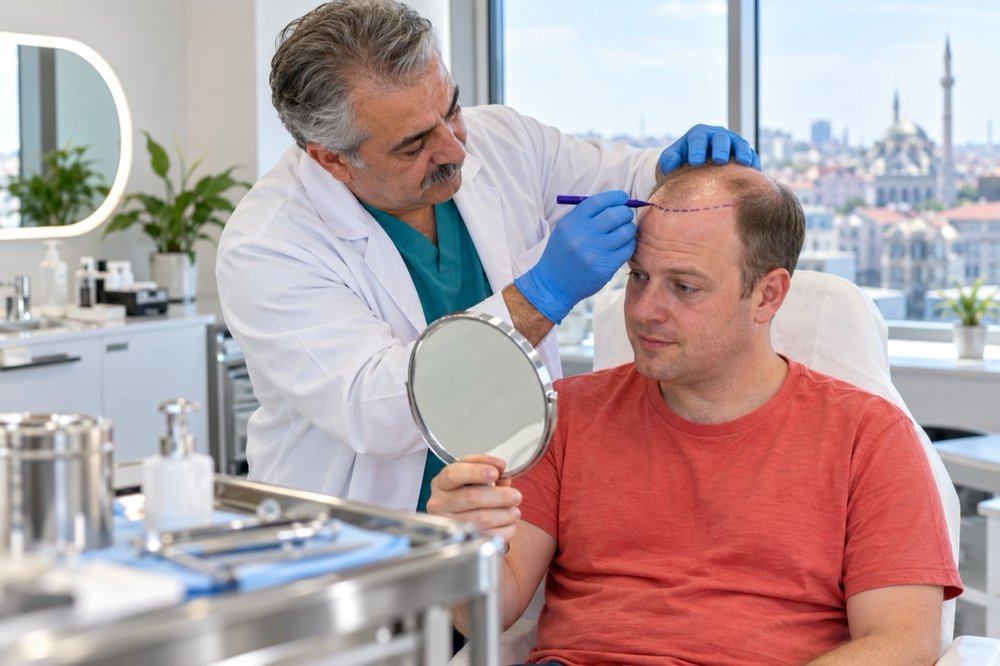
Why Are So Many People Flying to Turkey for New Hair?
Istanbul has become a major destination for hair transplants. Why are people travelling abroad to change their appearance, and what should they consider first?
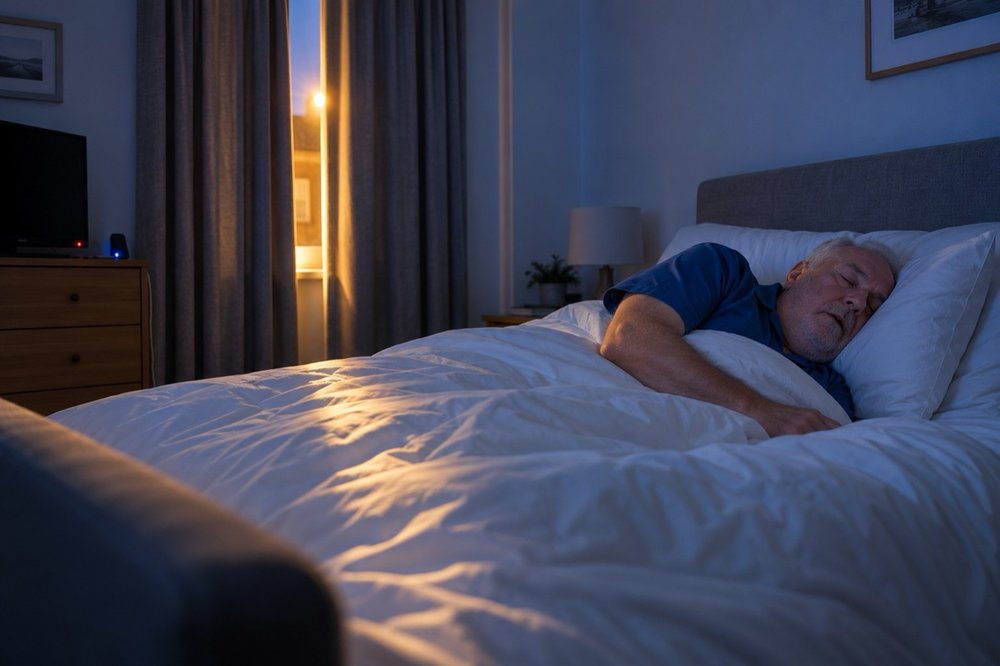
What Happens When Your Bedroom Never Gets Dark?
Streetlights, glowing screens and the wrong curtains may be affecting how well we sleep.
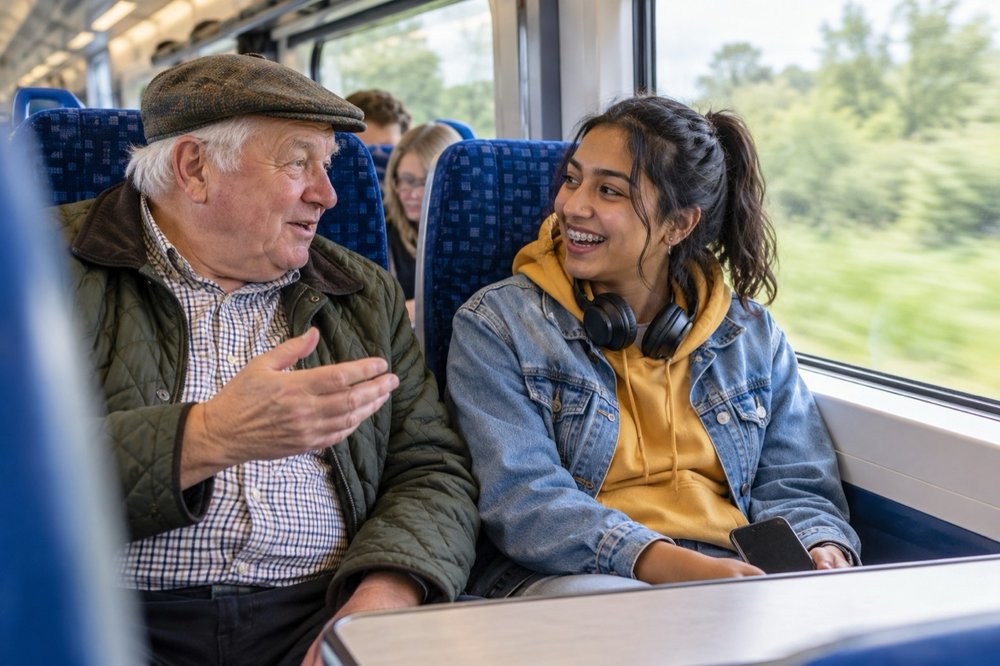
Are We Losing the Art of Talking to Strangers?
A short chat with a stranger can brighten a day, yet most of us avoid it. Are we losing the art of talking to people we do not know?
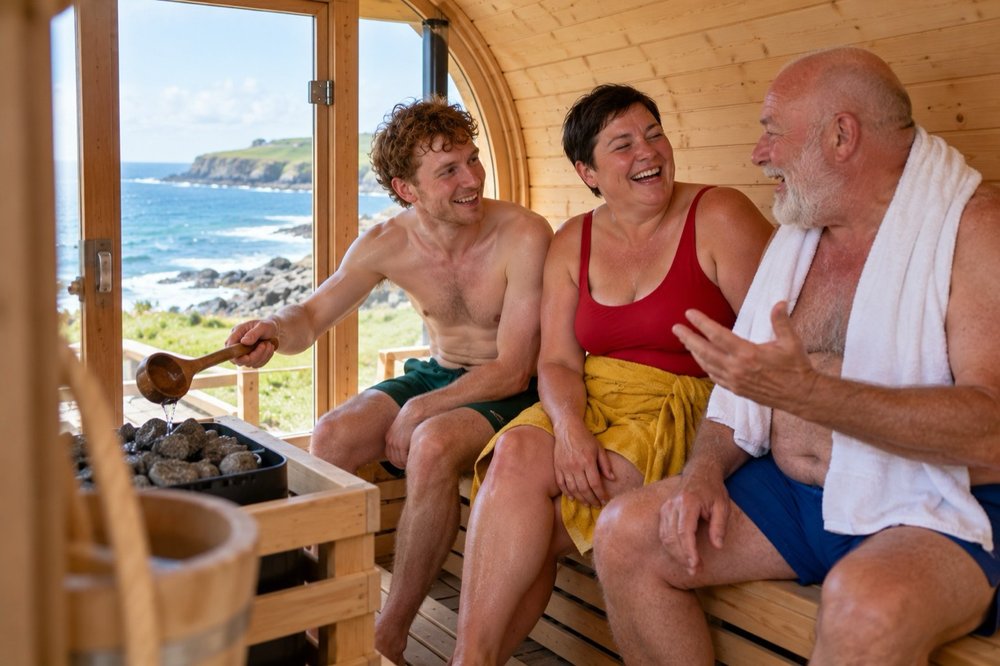
Is the Sauna Becoming Ireland's New Pub?
On Ireland's coast, a new kind of meeting place is bringing strangers together. There is plenty of heat, but no need for a pint.
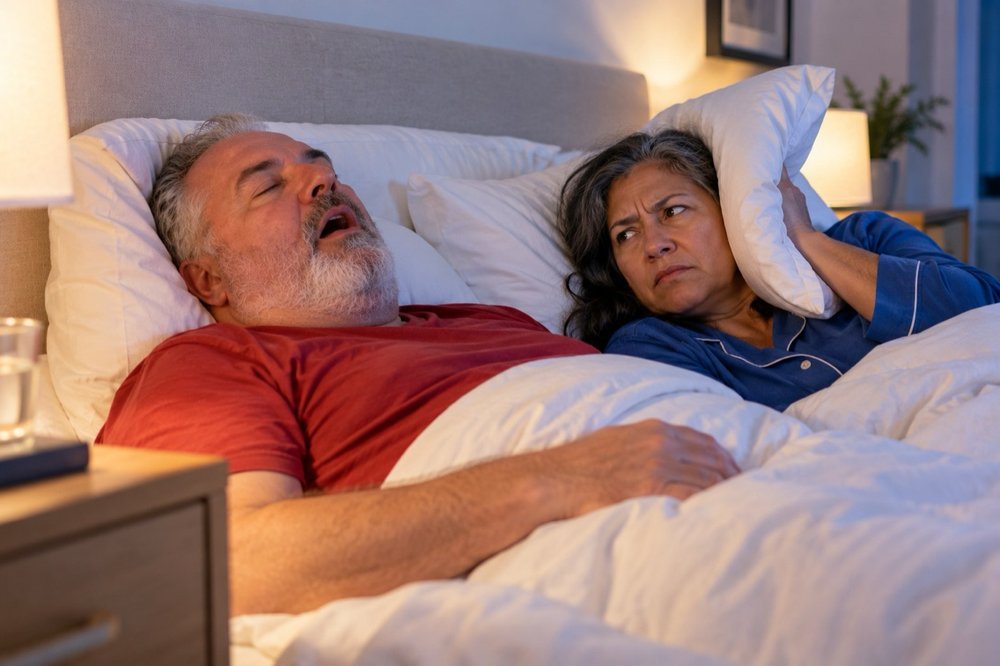
Would You Sleep Better Without Your Partner?
Snoring, different alarms and different bedtimes can make sharing a bed hard. Some couples choose to sleep apart without ending the relationship.
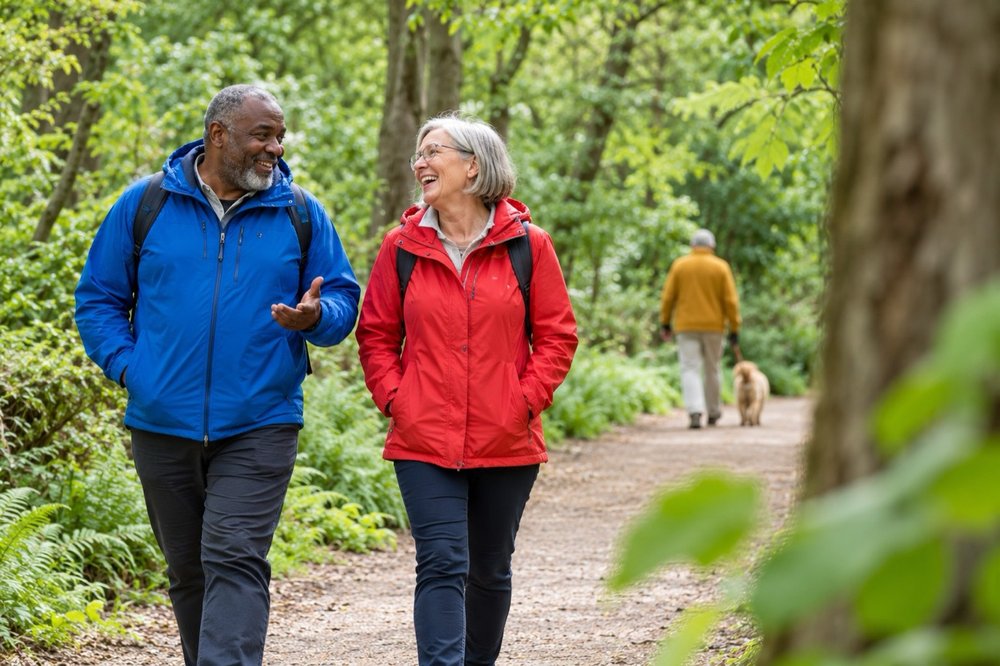
Can a Walk in Nature Really Make You Happier?
Parks, beaches and forests are often called natural medicine. What does the research actually show?

Would You Trust AI to Make an Important Life Decision?
AI can compare hundreds of options in seconds. But should it help choose your career, partner or treatment?
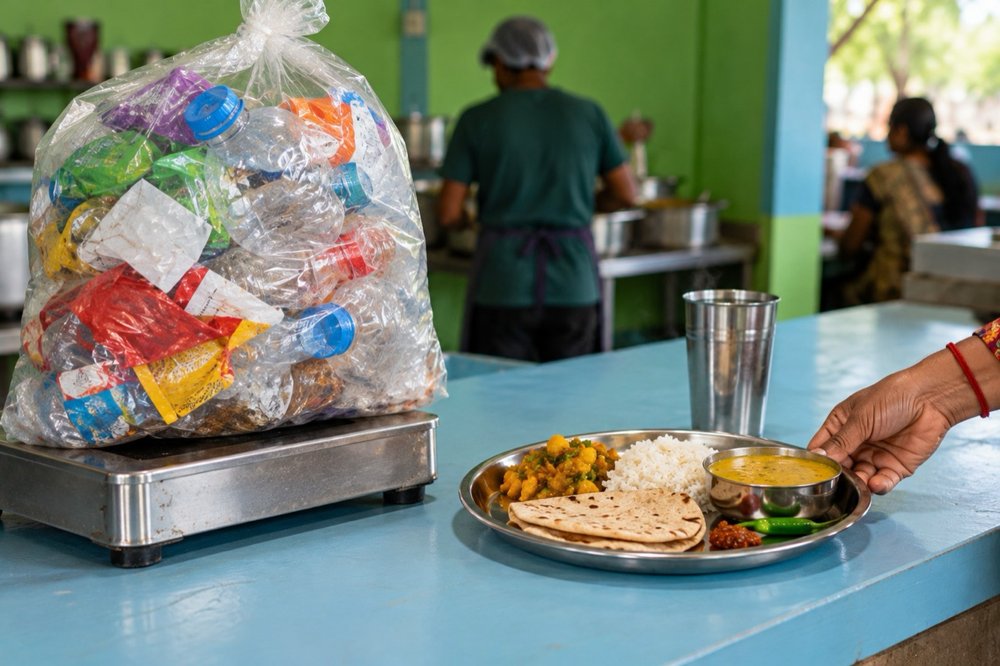
The Café Where You Pay with Rubbish
At a café in India, customers can exchange plastic waste for a hot meal. Could an unusual payment system help with two problems at once?

Need a Grandma? In Japan, You Can Hire One
A Japanese service offers help from older women, from cooking and advice to simple companionship. Is it a clever business or a sign of growing loneliness?
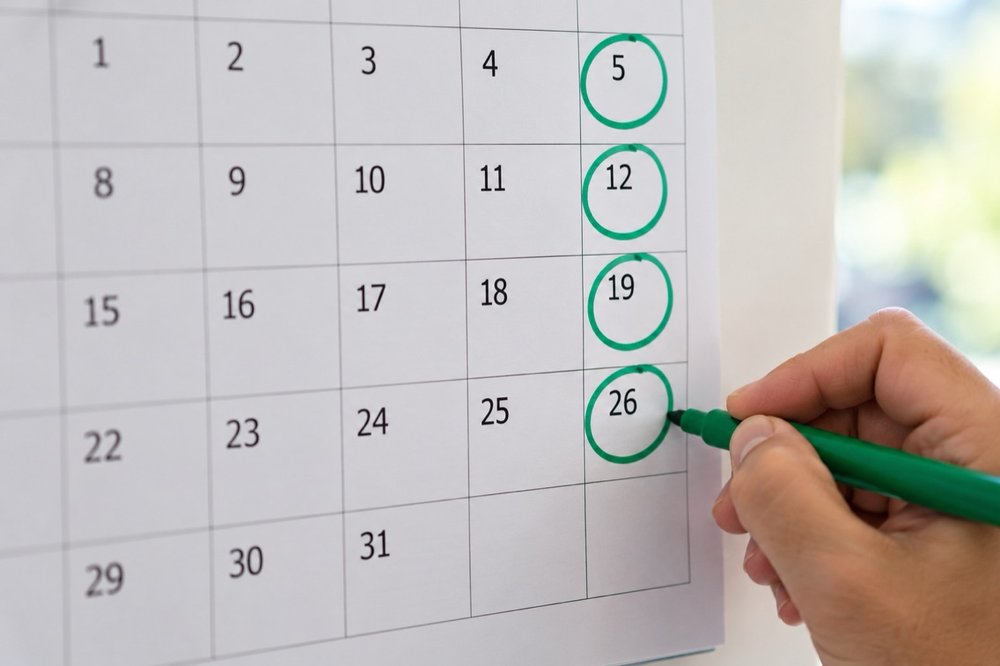
Would You Work Four Days a Week for the Same Salary?
A large international trial suggests shorter working weeks may benefit employees. Could every industry make them work?
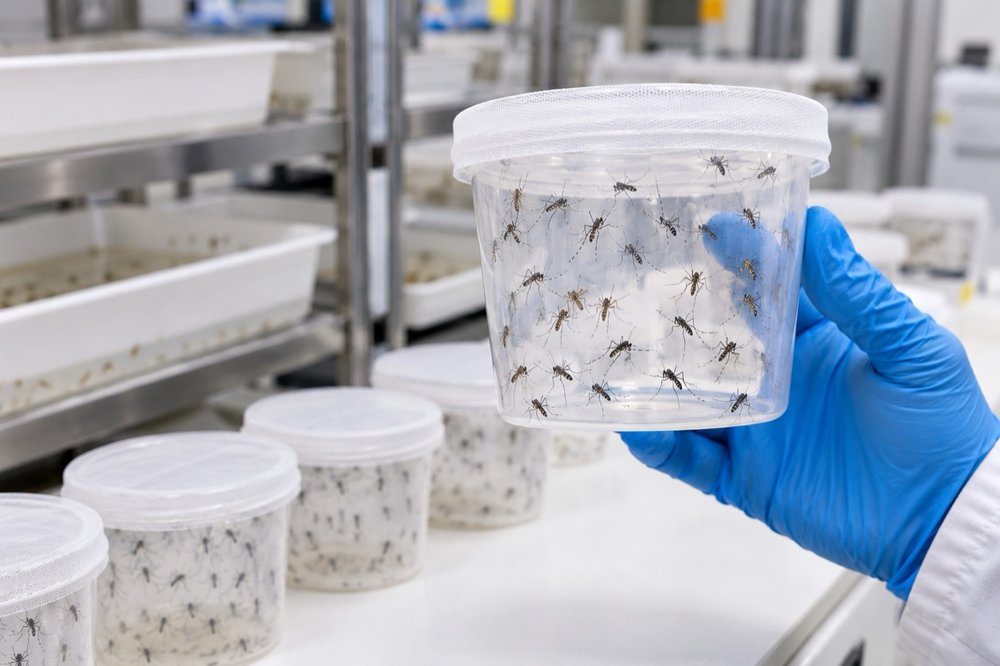
Why Is Brazil Breeding Millions of Mosquitoes?
Mosquitoes spread dangerous diseases. So why has Brazil opened a huge factory to produce even more of them?

Is the Best Holiday One Where You Do Absolutely Nothing?
Not everyone wants ten attractions and a packed itinerary. What is the appeal of travelling slowly?
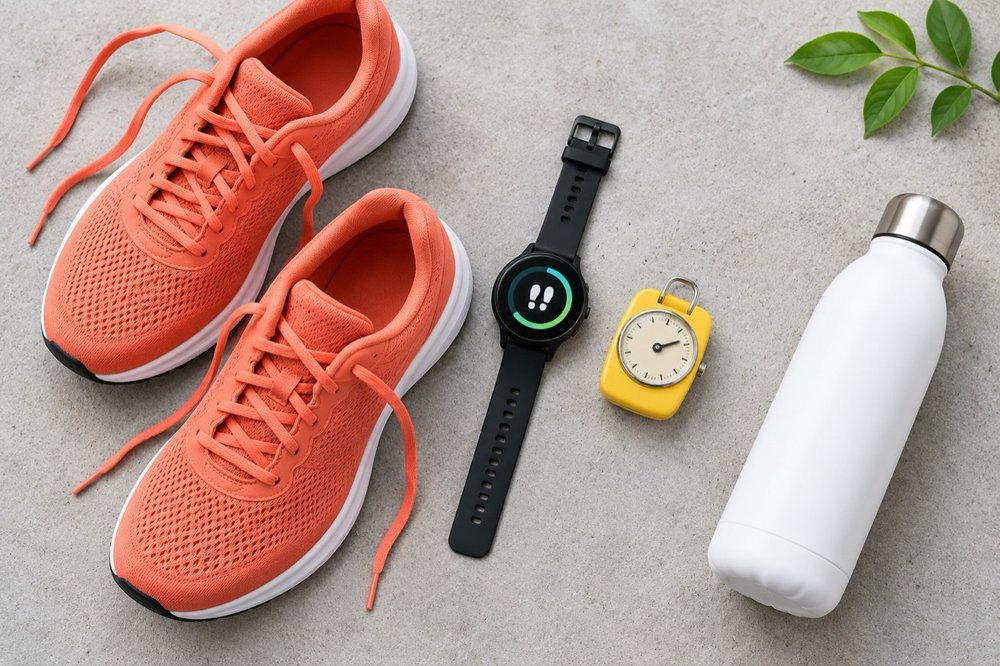
Do We Really Need to Walk 10,000 Steps a Day?
The famous daily target began as a marketing idea. What do newer studies say about the number that matters?

Why Is Making Friends So Difficult After 30?
For many adults, keeping friendships alive takes more planning than it used to. Is modern life making connection harder?
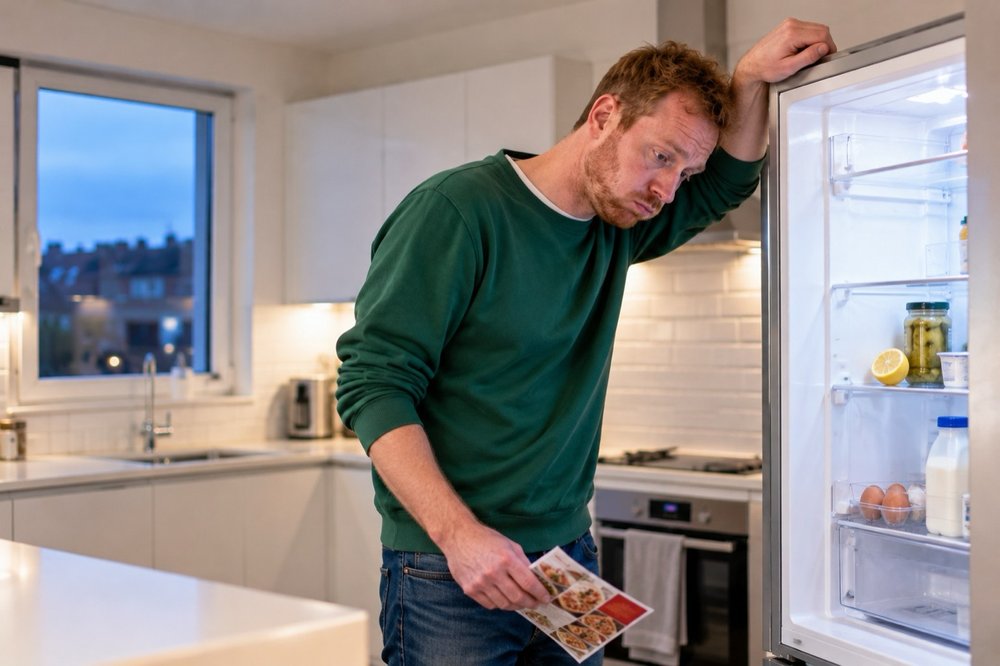
Why Are We So Tired When We Haven't Done Much?
A day spent thinking, worrying and making decisions may be tiring even without much physical movement.
No stories found
Try another word, choose a different topic, or clear the filters.