All stories
51 stories
These articles are for members. Create a free account to read them all.
Read the free articles
Did Writing Really Make Languages More Complicated?
A large study of about 100,000 sentences in 30 languages found no universal pattern showing that writing makes sentences more complex. It does not say that writing never changes a language.

Would You Sign a Contract Before Getting Married?
More young Americans are signing prenuptial agreements before their weddings. Is planning for a divorce unromantic, or is it honest and sensible?

They Still Have Their Jobs. They Are Leaving Anyway
Nobody made these workers redundant. AI changed what their work felt like, and they walked out on careers they had spent a decade building.
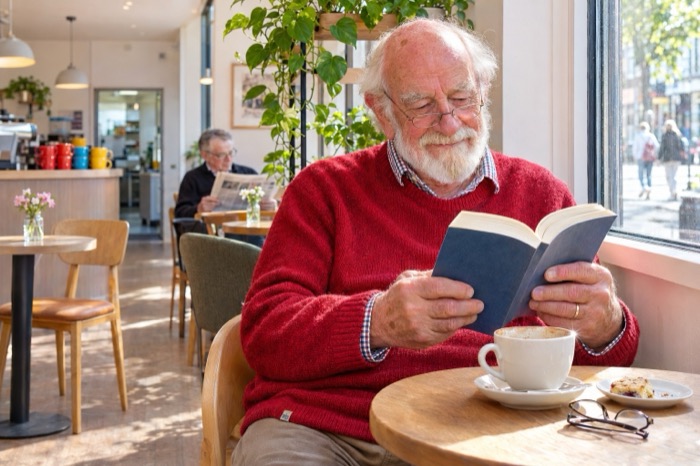
The Way You Think About Being Alone Changes How It Feels
Researchers read 144 newspaper articles about solitude and found them overwhelmingly gloomy. They also found that what you believe about time alone predicts how lonely it makes you.
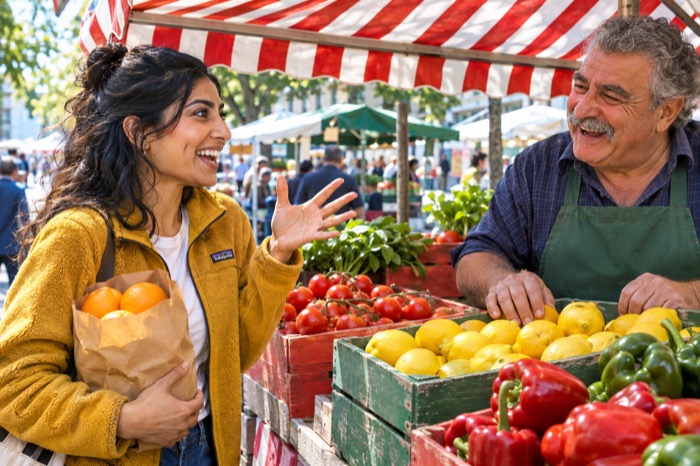
Are You the Same Person in Your Second Language?
A study of 106 Greek-English bilinguals found that the language they used did not change their moral decisions, although it did shift how some of them described themselves.

Why Is "Mogging" the Word of the Year?
Collins has chosen a word that teenagers use about dogs and footballers. It started somewhere much less friendly.
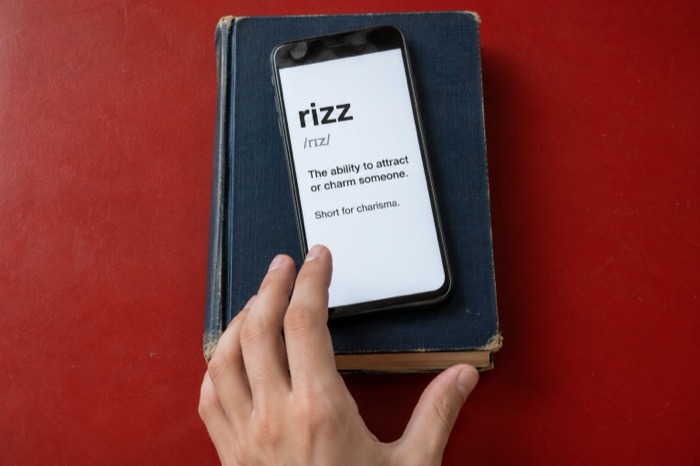
Where Do Your Words Actually Come From?
A word can go from one group chat to the whole world in a week. Who invented it is a harder question than it looks.
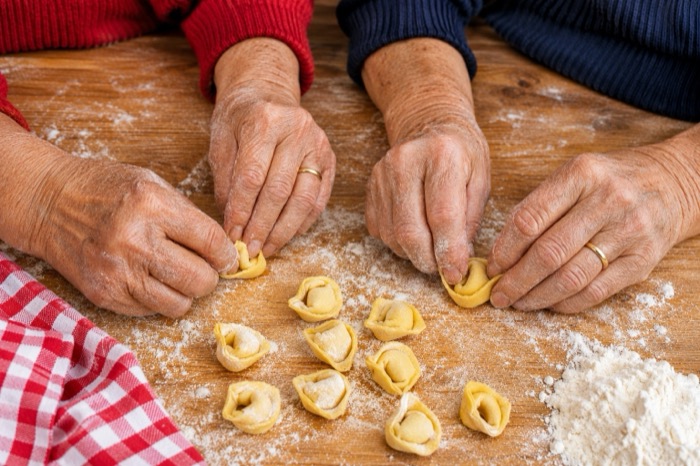
Can You Learn a Better Life from an Italian Grandmother?
Two friends in their late eighties bake bread in a small Italian town. The internet has decided they are the answer to something.
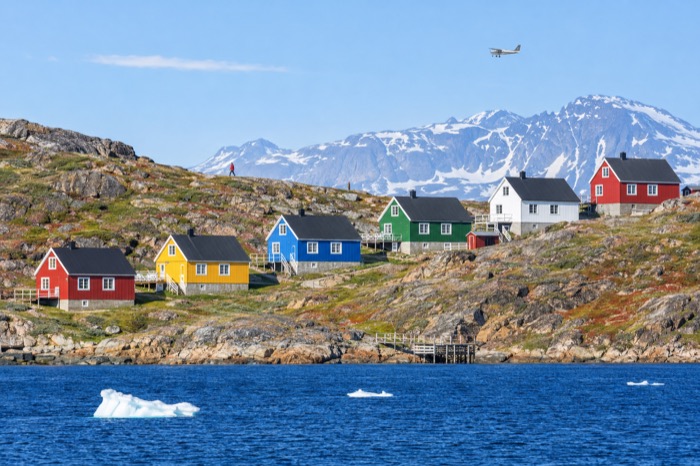
What Happens When One of the World's Quietest Places Gets Easier to Visit?
Greenland now has three new airports and more visitors than ever, but tourism is still a small part of its economy. Some residents worry about what a rush of visitors could do to a quiet place with a fragile environment.

Is Social Media Making Wellness Too Hard to Escape?
Eating disorder experts in Australia say online wellness content can blur the line between helpful health advice and old-fashioned diet culture, and they are asking one question: who really benefits?

Why Do We Trust Confident People?
A psychiatrist argues that charisma should make us more careful, not less. Online, we judge people on a handful of confident minutes.
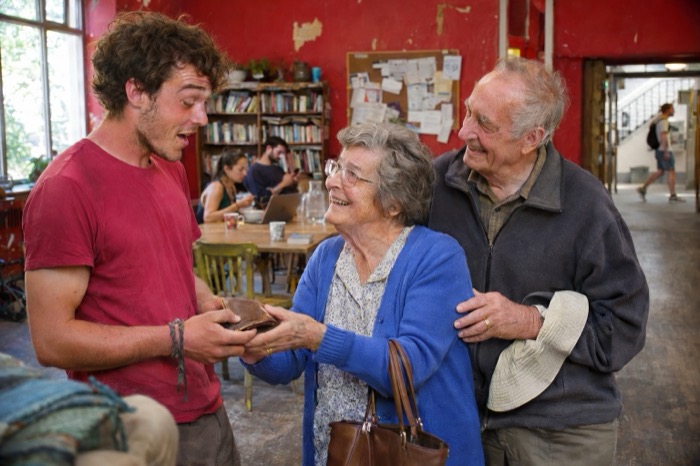
The Couple Who Spent the Night Looking for a Stranger
A backpacker lost a wallet holding a month's money in Darwin in 1989. Two strangers visited four hostels to give it back, then disappeared.

Is It Time to Stop Improving Everything?
“Maxxing” is Dictionary.com's word of the year. One columnist has had enough of it and wants 2027 to be the year we do less.

What Chefs Do When Their Children Will Not Eat
Nine professional cooks were asked how they feed their own families. Almost all of them described a fussy child, and none of them had a trick.
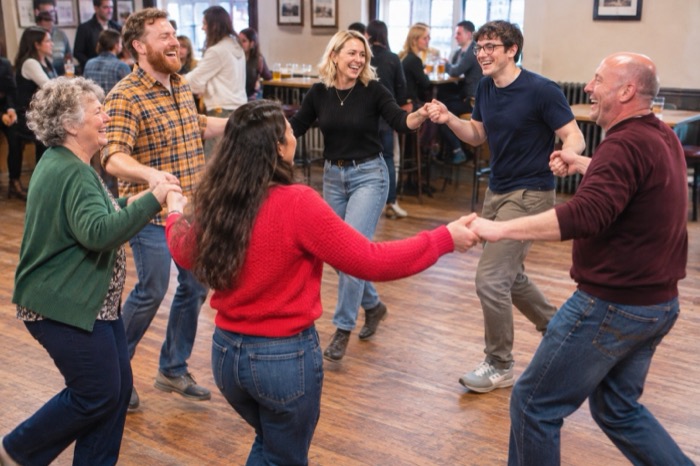
Why Young People Are Turning Up to Ceilidhs
An old Scottish and Irish dance is filling pubs with people in their twenties. Ticket sales are up, and nobody has to arrive with friends.
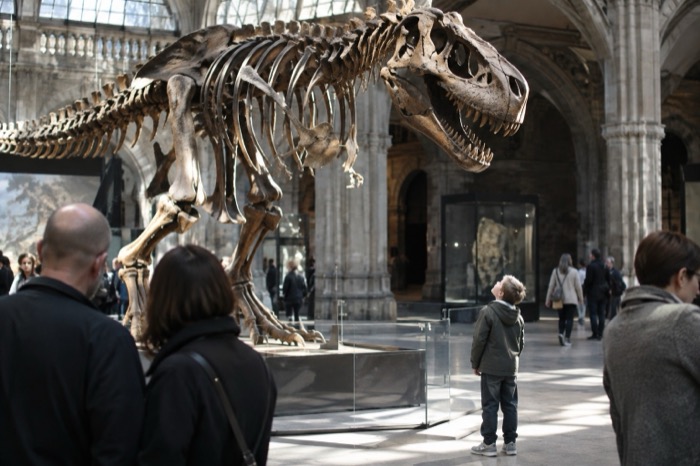
Who Should Own a $47 Million Dinosaur?
A rare skeleton sold in New York for far more than anyone expected. Palaeontologists are less interested in the price than in where the bones go next.

The Restaurants Asking Families to Put Their Phones Away
Fifteen Sardinian restaurants are trying a new approach to family meals: fewer screens, more games and, they hope, more conversation.

Why Does the Generation Gap Feel So Wide?
Younger people in the EU use social networks far more than the population as a whole. Researchers warn that a real difference in habits is not the same as a difference in character.
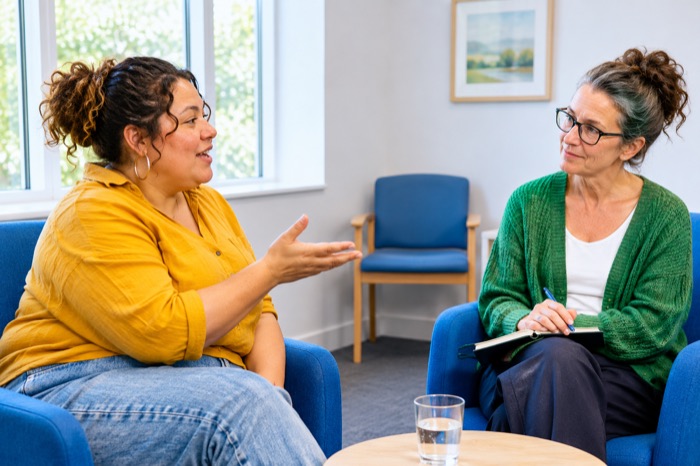
Therapy Is More Normal. Is It Easier to Get?
In a UK survey of 5,058 adults, 37% said they had seen a therapist. Among those who thought about it and did not go, cost and waiting lists were the reasons given most often.

What Is It Like to Live Next to a Data Centre?
Britain is building data centres to power artificial intelligence. In Newport and Cardiff, the people living beside them are asking who benefits.

Would You Go to Your School Reunion After 20 Years?
One man went to his school reunion with a single aim: to apologise to a friend who was bullied years ago. What do reunions really give us?

No Influencers Allowed: Are Restaurants Fighting Back Against Social Media?
Hotels, restaurants and beauty spots are putting up "no influencers" signs. Are venues right to limit photoshoots, or are they missing out?
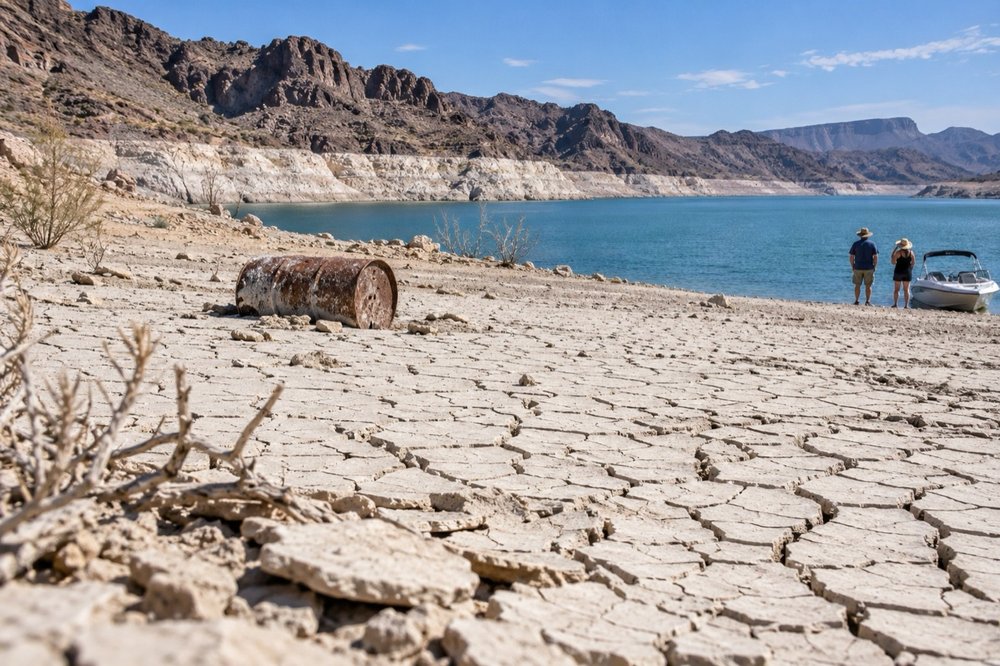
A Body in a Barrel. A 40-Year-Old Mystery.
When Lake Mead fell during a drought, a rusted barrel with human remains appeared. After four decades, science finally gave the victim a name.

Learning to Read at 46: A Second Chance at Life
For most people, reading is something they learn as children. But one British man spent decades unable to read a book, a menu or even a food label. Then, at the age of 46, everything began to change.

Is Instagram Choosing Our Holidays?
A beautiful image can send you across the world. It can also send several thousand other people to the same railing.
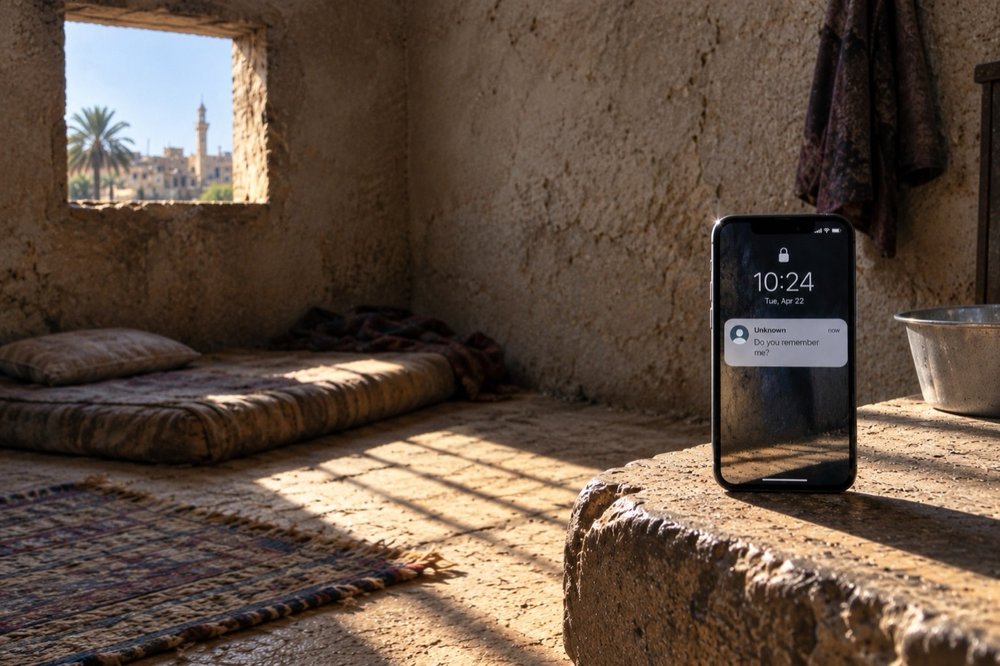
I Was Held Hostage for 977 Days. Then My Captor Messaged Me on Facebook.
Two months after 977 days as a hostage in Somalia, journalist Michael Scott Moore got a Facebook message from one of his guards. Should he reply, and what does forgiveness mean?
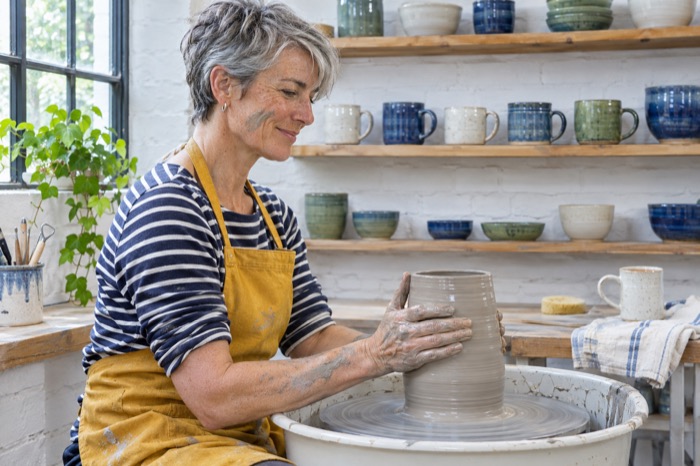
When Do We Finally Know Who We Are?
A Finnish study that followed the same people between the ages of 27 and 61 found that identity kept developing well into adulthood, and that stronger identity development went together with better mental wellbeing.

Work, Work, Work: Is Japan Rethinking the Office Life?
Japan wants healthier workplaces, but labour shortages are reopening the argument about longer hours.
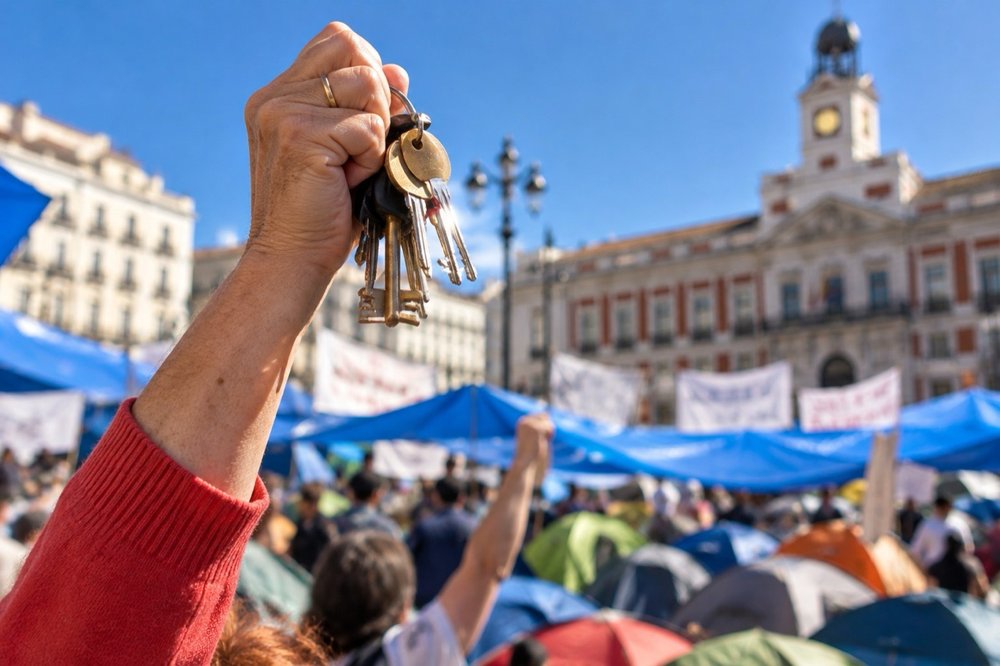
A Home for Life? The Housing Crisis Shaking Spain
The eviction and death of an 87-year-old woman in Madrid have sparked protests across Spain, raising serious questions about the country's growing housing crisis.
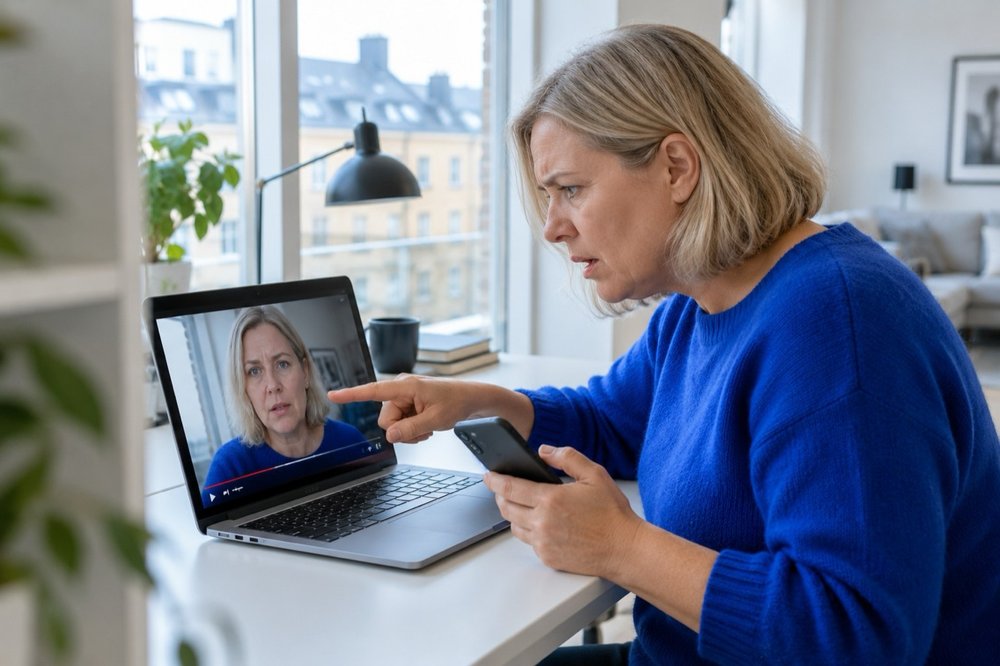
Should You Own the Rights to Your Own Face?
AI can create convincing pictures and voices of people who never agreed to be copied. Denmark is considering new rules to give individuals greater control.
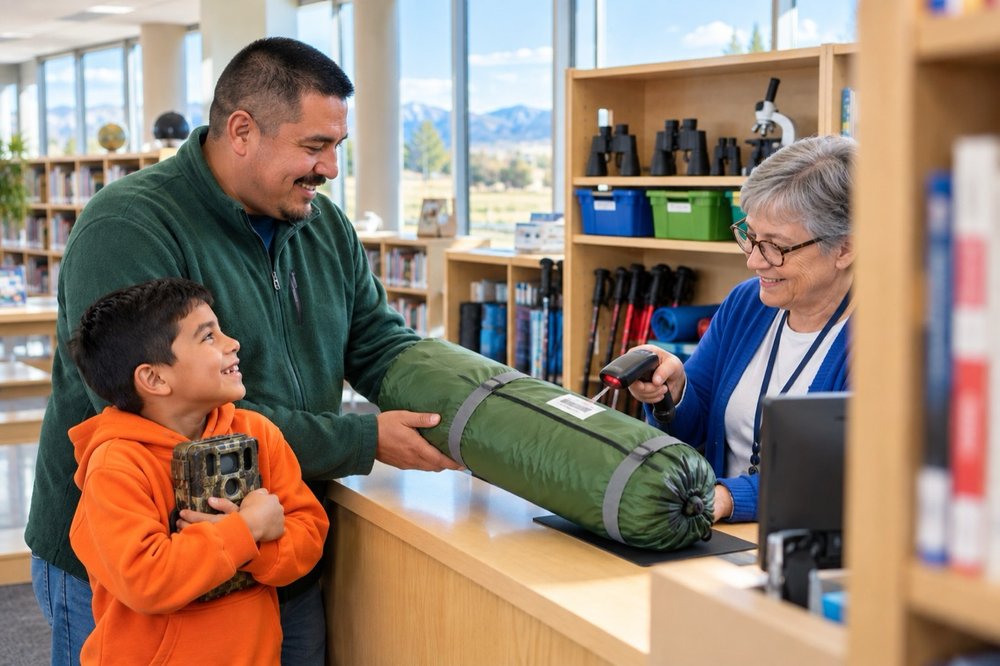
The Library Where You Can Borrow a Tent
Colorado's nature library treats outdoor equipment as something a community can share.

The Capybaras Taking Over Argentina's Richest Neighbourhood
Giant rodents are roaming the lawns of an exclusive neighbourhood near Buenos Aires. But who was there first?

When Did Going to a Concert Become a Luxury?
Concert tickets cost far more than they used to, and young fans feel the pressure. Why are prices so high, and is live music becoming a luxury?
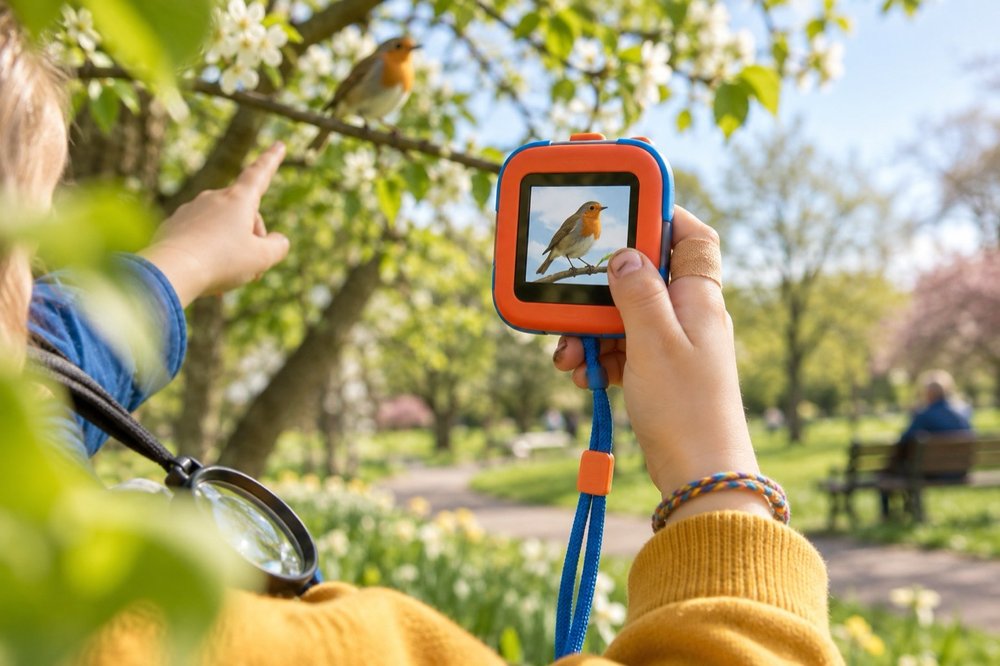
Would You Give Your Child a Phone Without Social Media?
A new phone for children has no browser, no app store and no social media. Is that the answer for worried parents?

Can an Iced Coffee Cost You Your Dream Job?
A recruiter's warning about iced coffee at interviews started an argument about manners, generations and what employers should really be judging.

The Influencers Trying to Film the World's Most Isolated People
Some content creators try to film communities that want to be left alone. Why is this so dangerous, and who has the right to decide?
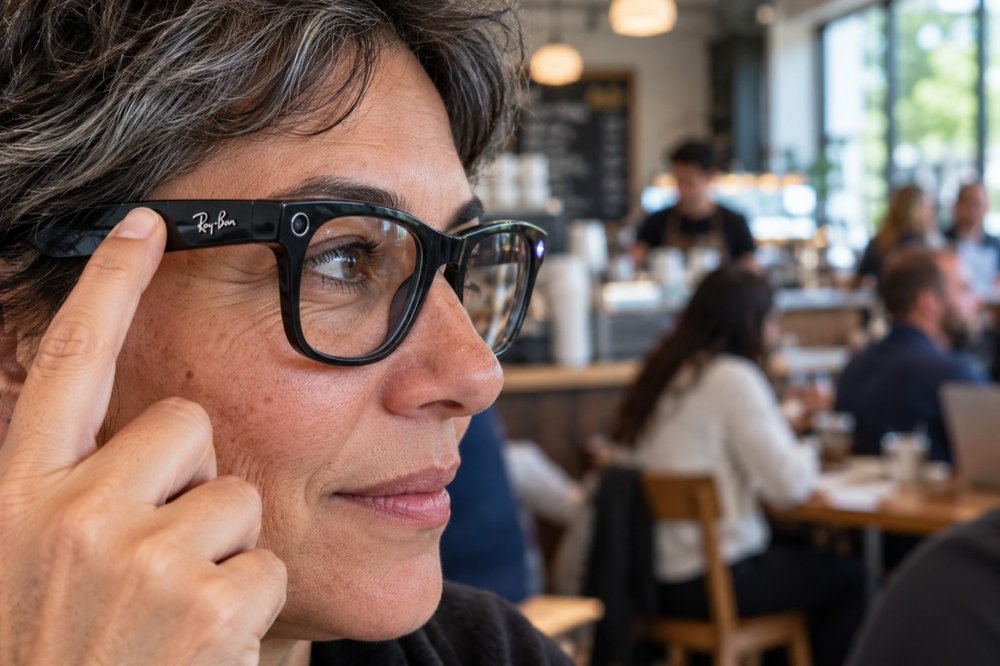
Smart Glasses: Helpful Technology or a Threat to Privacy?
Smart glasses can read signs, translate conversations and help people with disabilities live more independently. But fears about secret recording have led to calls for restrictions in Australia.

Bali's Foreigners Problem: Who Really Benefits from Paradise?
Nearly seven million international visitors arrived in 2025. The argument is about how tourism's rewards are shared.

Who Are You When You're Not Working?
A job can give us money, purpose and a place in the world. But should it tell us who we are?
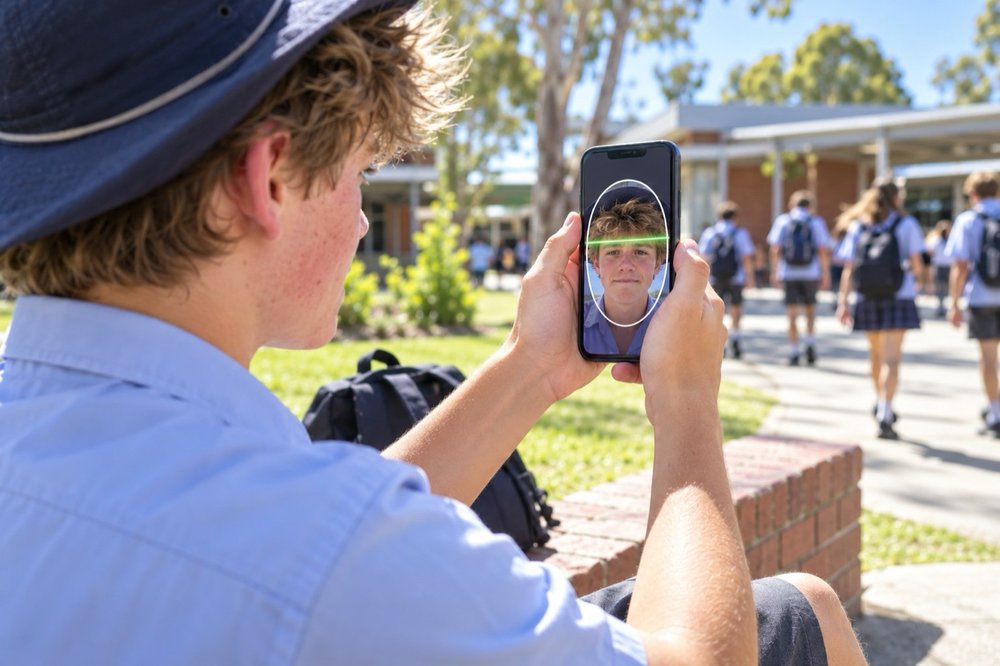
Australia Banned Social Media for Teenagers. Did It Work?
Australia introduced strict rules for social media accounts held by under-16s. The difficult question is what happens when teenagers still find ways to get online.
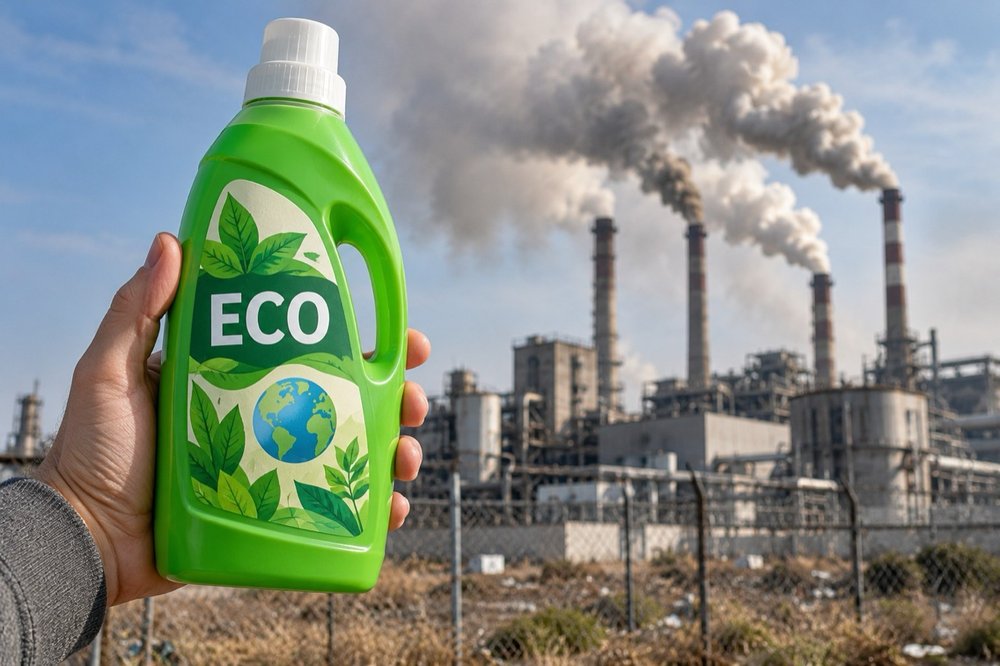
Greenwashing: Are Companies Selling Us a Greener Story?
A green colour and a confident promise can make a product feel responsible. The evidence may tell another story.

Would You Pay Someone to Be Your Friend?
In China, people are hiring companions to join them for meals, walks and trips. Are they buying friendship, or simply paying for someone's time?
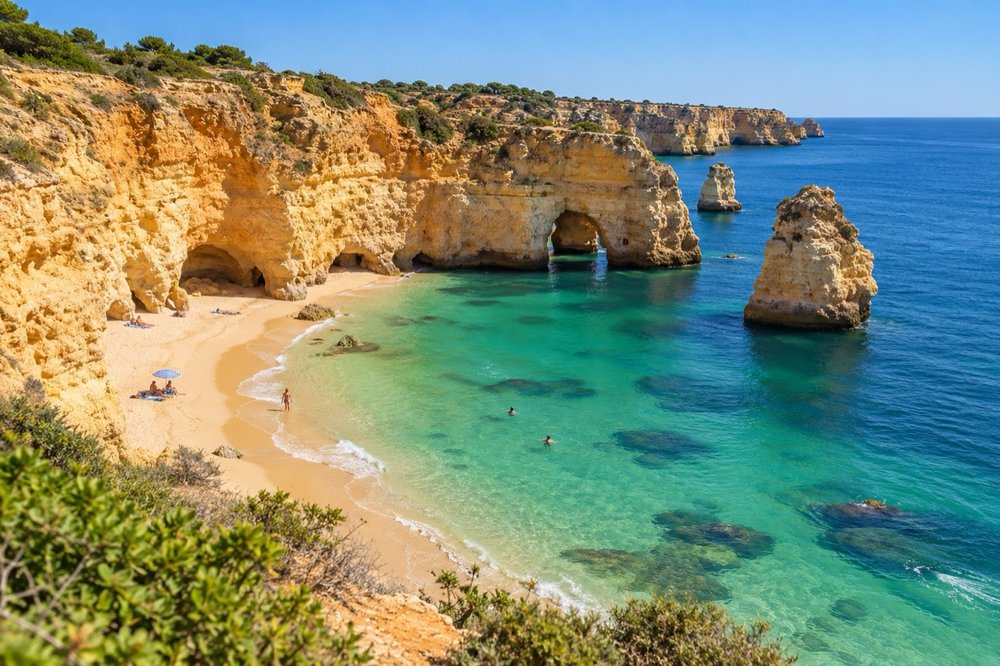
Who Owns the Beach? Portugal's Fight for Its Coastline
In Portugal, residents protested against a plan they feared would restrict access to beautiful beaches. Should nature ever become a private luxury?
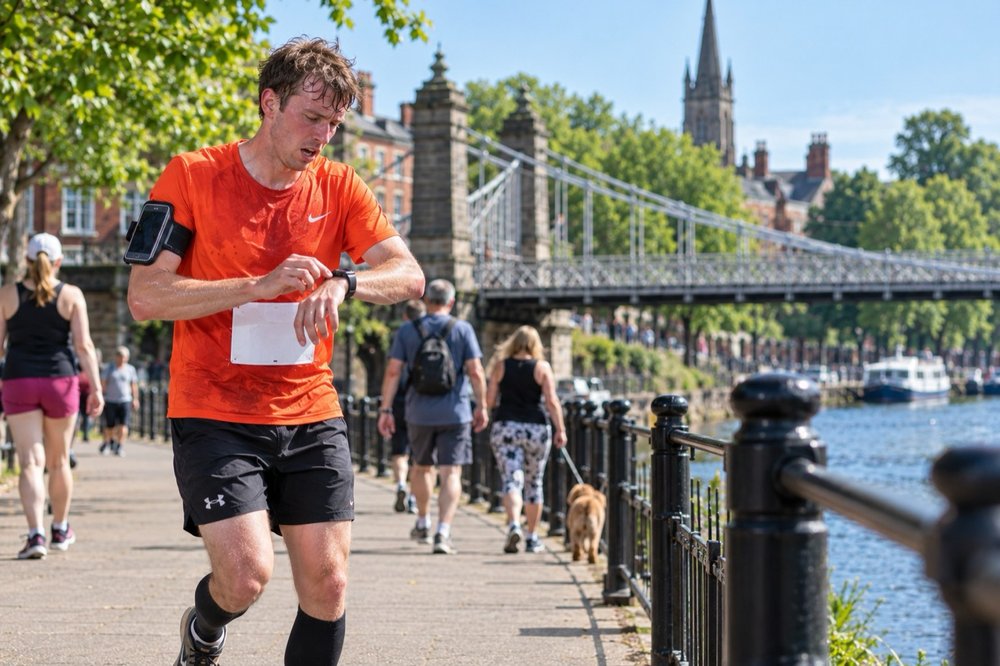
When Did We Start Taking Our Hobbies So Seriously?
Running, reading and baking can all become targets. Has the pressure to improve changed how we enjoy our free time?

Is Quiet Quitting Really a Bad Thing?
A worker finishes their tasks and leaves on time. Is that quiet quitting, or simply doing the job?
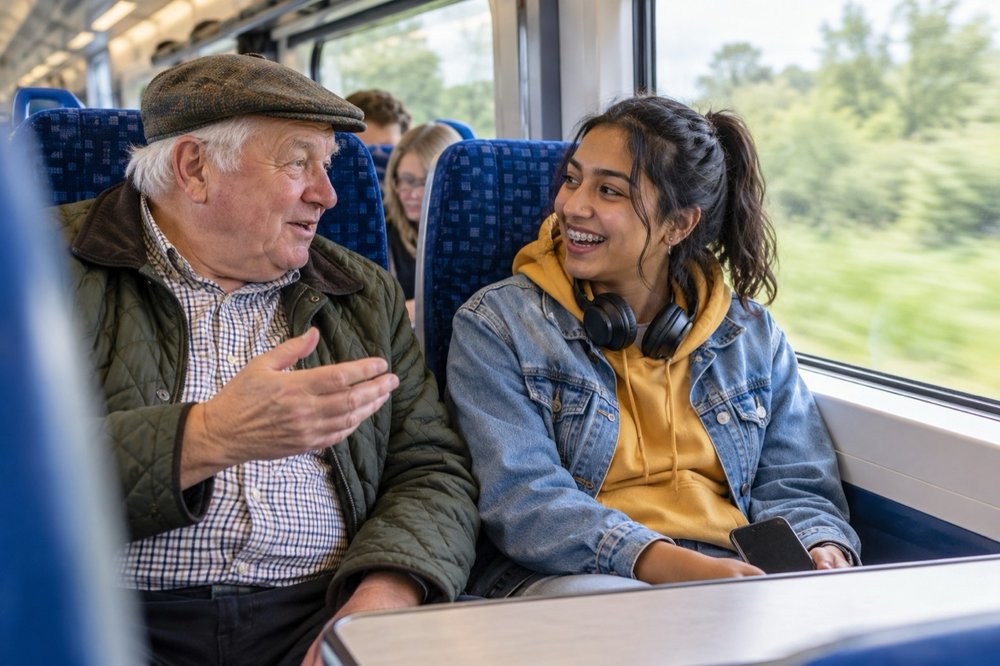
Are We Losing the Art of Talking to Strangers?
A short chat with a stranger can brighten a day, yet most of us avoid it. Are we losing the art of talking to people we do not know?
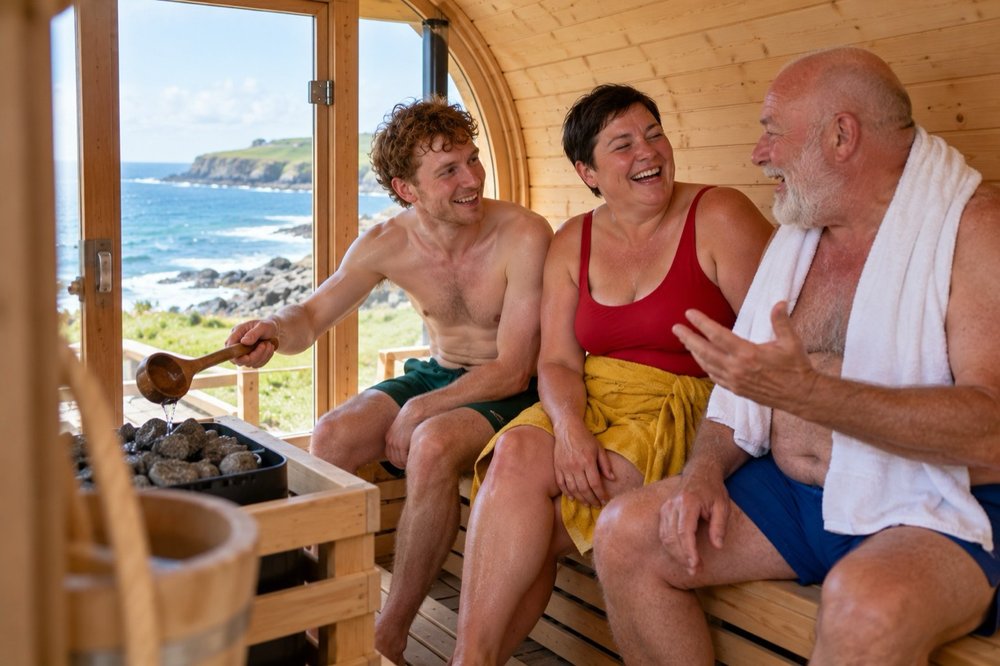
Is the Sauna Becoming Ireland's New Pub?
On Ireland's coast, a new kind of meeting place is bringing strangers together. There is plenty of heat, but no need for a pint.

Would You Trust AI to Make an Important Life Decision?
AI can compare hundreds of options in seconds. But should it help choose your career, partner or treatment?
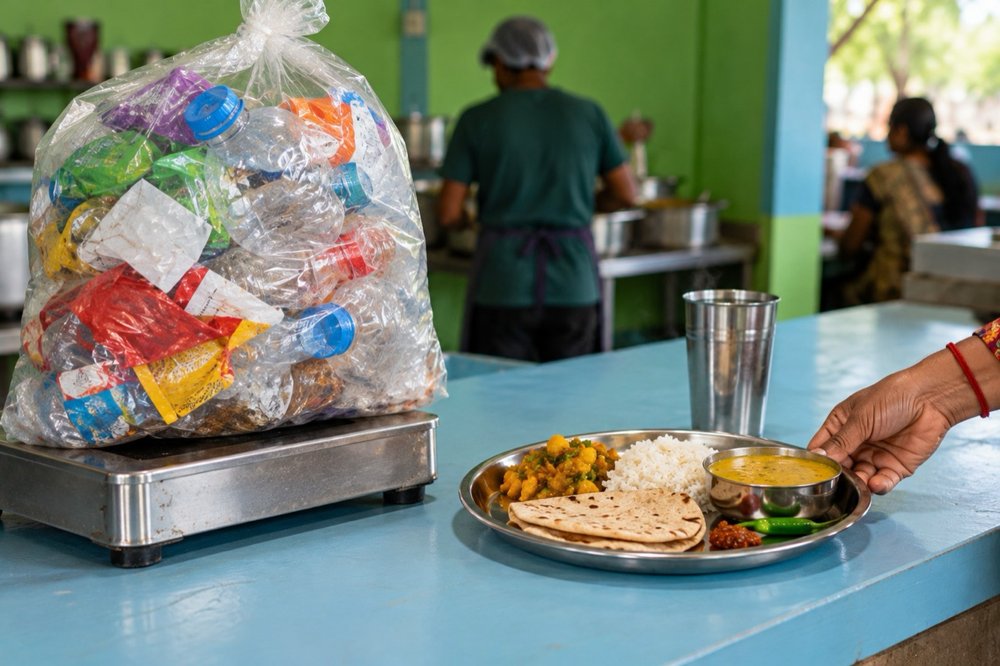
The Café Where You Pay with Rubbish
At a café in India, customers can exchange plastic waste for a hot meal. Could an unusual payment system help with two problems at once?
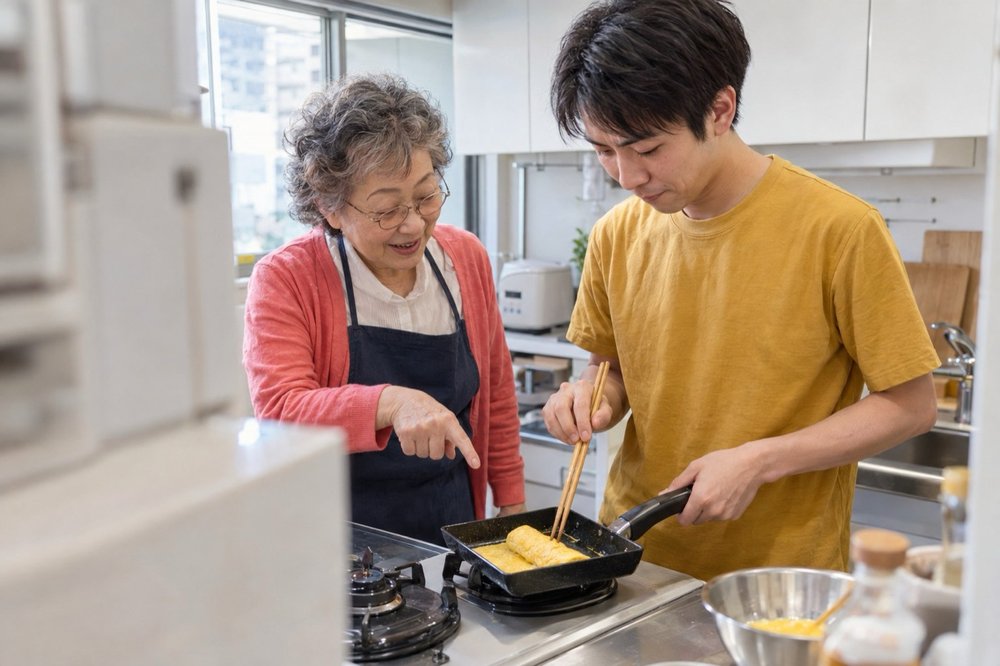
Need a Grandma? In Japan, You Can Hire One
A Japanese service offers help from older women, from cooking and advice to simple companionship. Is it a clever business or a sign of growing loneliness?

Why Is Making Friends So Difficult After 30?
For many adults, keeping friendships alive takes more planning than it used to. Is modern life making connection harder?
No stories found
Try another word, choose a different topic, or clear the filters.